Blog People Pleasing How to Say No Without Feeling Guilty
How to Say No Without Feeling Guilty7 Short Ways to Say It, and Stop Explaining.
Someone asks for a favour, and the yes is out before you have decided. Saying no without guilt takes 2 things: a short sentence with no reason attached, and a plan for the guilt that comes after. Here are both.

You feel guilty after a no because you are not used to saying it
Someone asks you to help them move, cover a shift, or come to a dinner you have no energy for. You say yes before you have thought about it.
When you do manage a no, the guilt arrives soon after. You replay their face. You draft a follow-up text that takes it back.
That guilt does not mean you did something wrong. It means you did something unfamiliar. For years a no felt like breaking a rule, so the first few feel exactly like that.
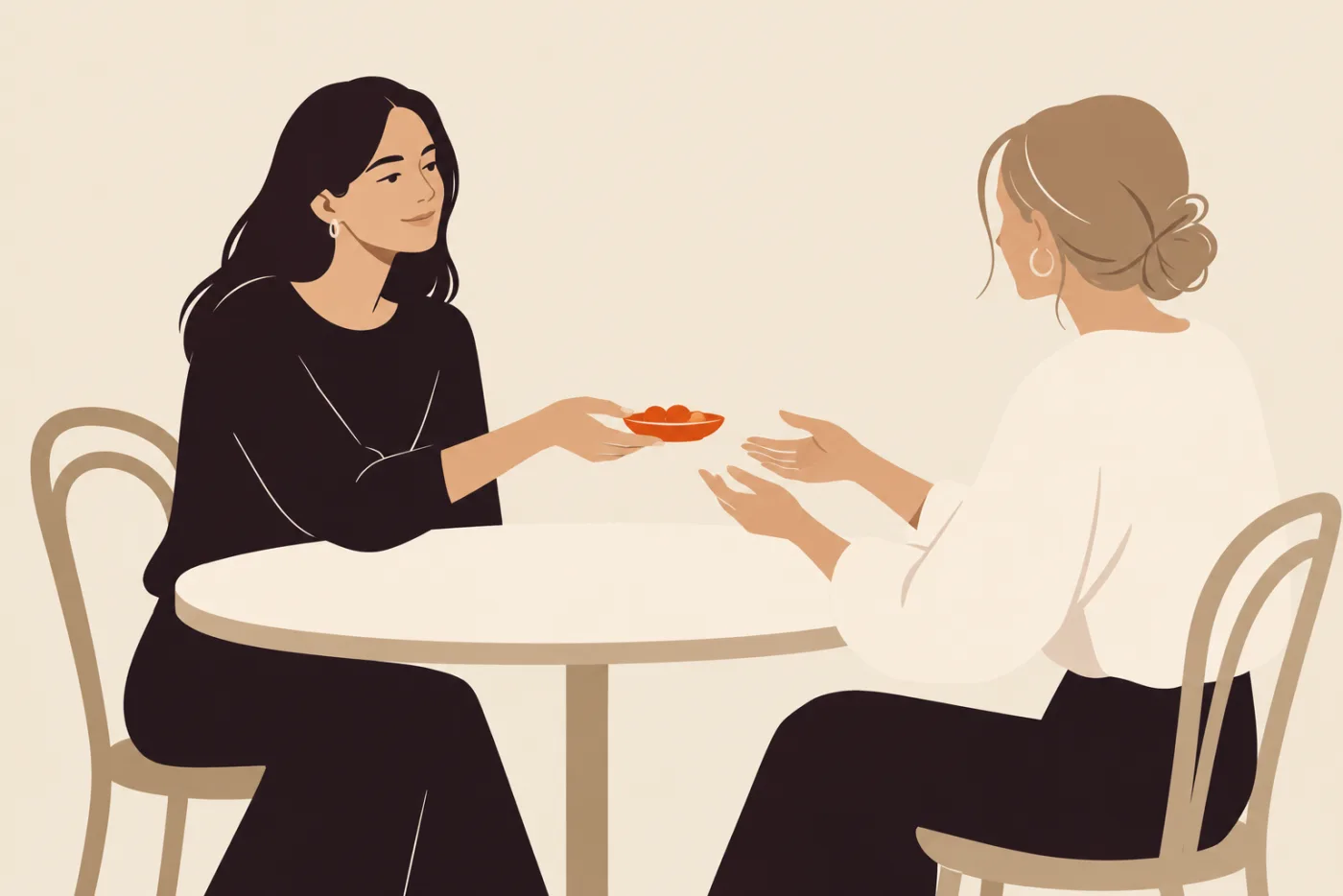
“I literally can’t get the words out of my mouth, no matter how many scripts I write and practice.”
Women in the research behind this site said it plainly. One took a no back the moment she heard how disappointed her friend was, and paid almost £100 more for a trip she never wanted. Another said that when she finally set a boundary, she felt like a villain.
Guilt after a no is common, and it fades with practice. The trick is getting enough practice for it to fade.
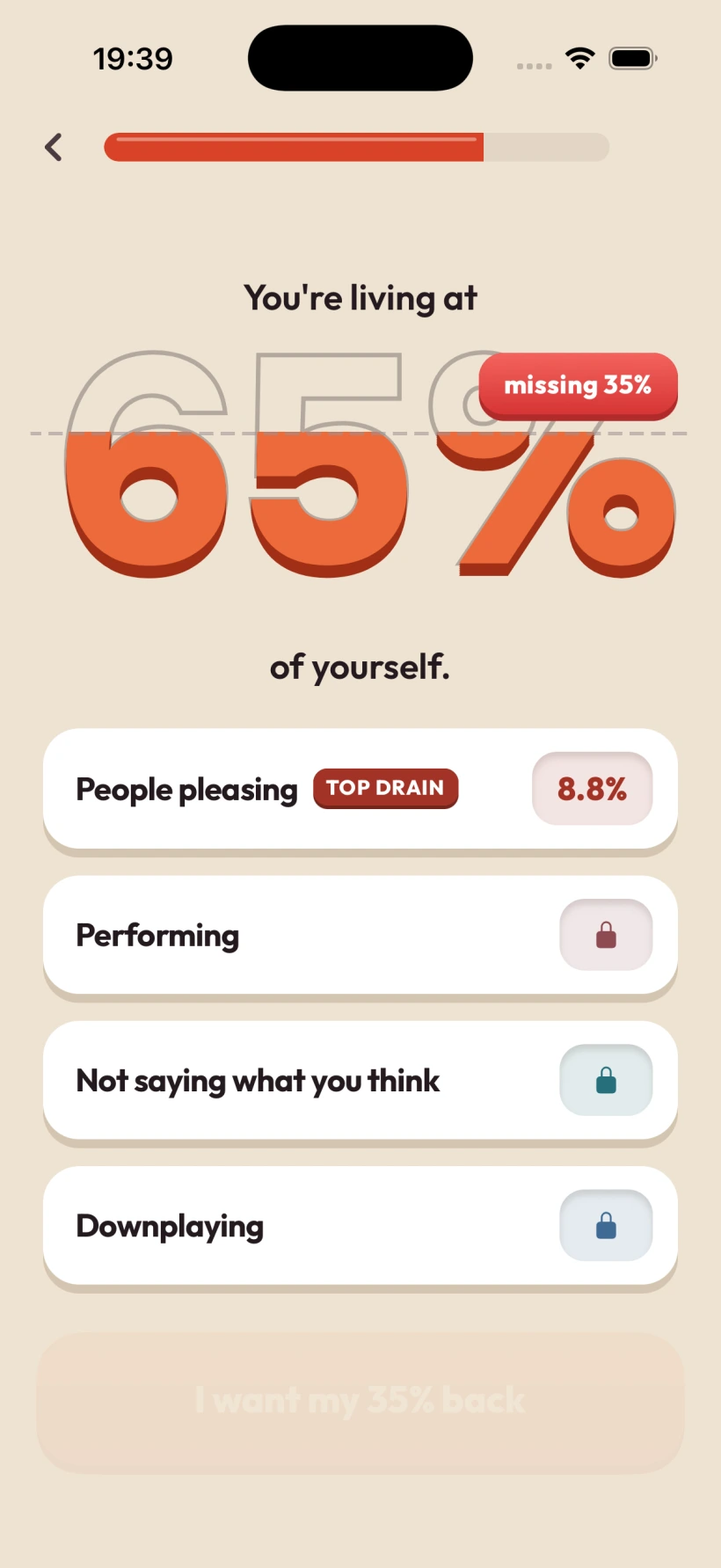
It rarely arrives alone. 3 habits sit closest to it, and Glissa scores all 4 every week.
 People pleasingSaid yes before you heard the whole thing
 Not saying what you thinkChanged your opinion when their face changed
 Being everyone’s therapistBecame the one everyone calls when it goes wrong
 DownplayingSaid it was nothing when it was something
The full guide to stopping people pleasing covers where the habit comes from. This page is about one moment: the ask, the no, and the guilt after.
You can say no in 4 words, and here are 7 ways
Pick the one that fits the ask. Short works better than long, because every extra word is something to argue with.
- 1No, I can’t make it.4 words, no reason. A reason invites a debate about the reason, and you usually lose it.
- 2I don’t do favours on short notice.Say “I don’t” about a rule you keep. A rule is harder to argue with than a busy week.
- 3Let me check and get back to you.The pause lets you decide alone. Get back to them with the no, in writing if that is easier.
- 4I can do the first hour.Saying yes to part of it turns down the rest, with no explanation needed. Use it when you want to help and the full ask is too much.
- 5That doesn’t work for me.Useful when the reason is private or messy. You do not owe anyone the reason.
- 6Thanks for asking me. I’ll pass this time.Warmth first, then the no. It keeps the friendship and the evening.
- 7Then stop talking.The hardest one. Say the sentence and say nothing else. The silence feels long to you and ordinary to them.
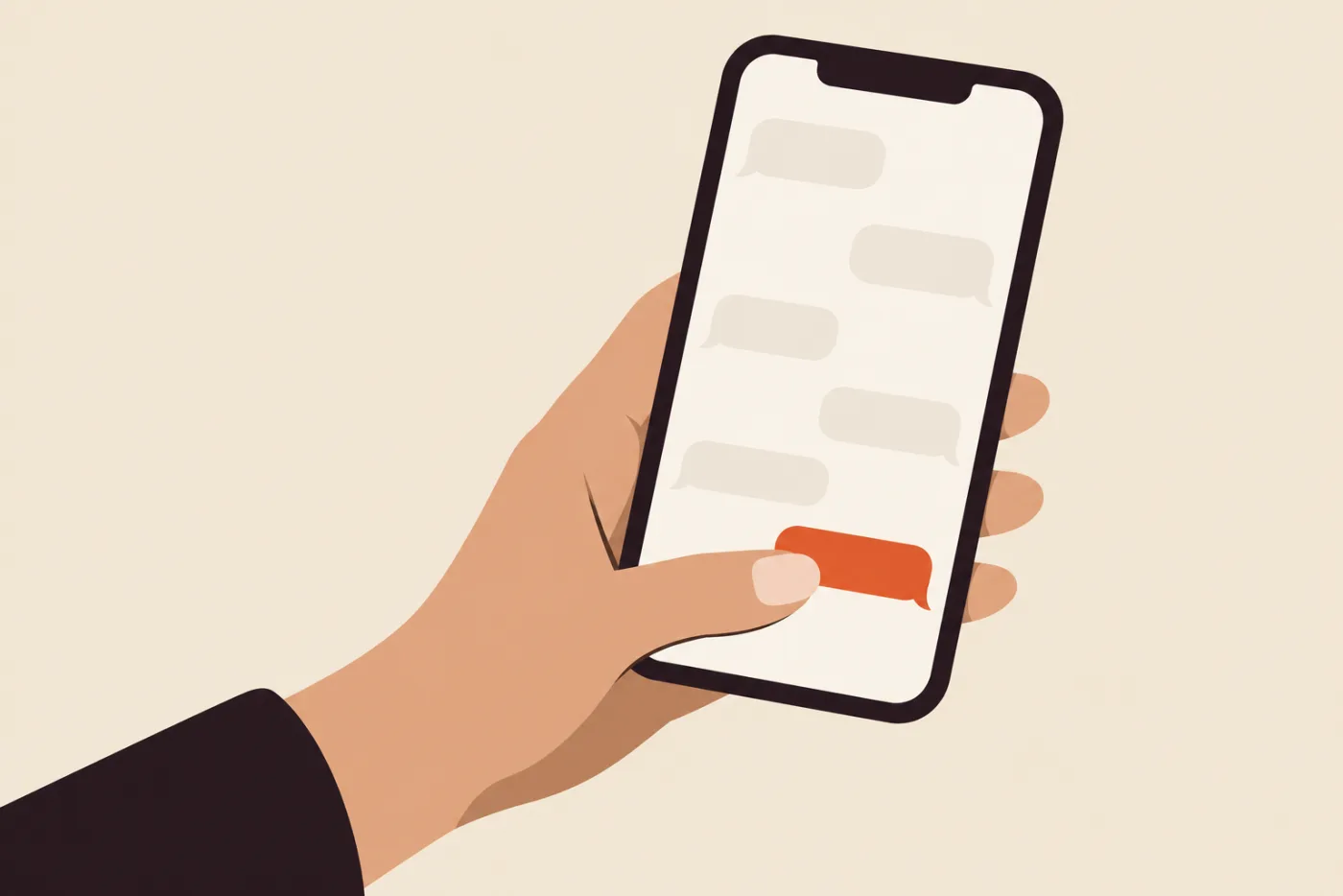
Pick one and use it all week. A sentence you have said 5 times is easier to say the sixth time.
The 90-second test names the habit you keep picking and hands you one dare for this week, sized for a single no.
Give me my first dareWhich of these was you this week?
You expect them to be more upset than they will be
2 findings explain the guilt. Both are about what a no does next.
-
“I don’t” holds better than “I can’t”
People told to turn down temptations with “I don’t” stuck to their goal more often than people told to say “I can’t”. The first sounds like a choice about who you are. The studies measured temptation, and way 2 borrows the same wording.
Patrick and Hagtvedt, 2012
-
One no makes the next yes more likely
Across 4 studies, people who had already turned down one request were more likely to agree to the next than the askers predicted. The guilt after a no pushes you toward a yes next time. Knowing that helps you catch it.
Newark, Flynn and Bohns, 2014
Write the moment and the move together, before either one shows up: when someone asks me for a favour, I say “let me check” and decide on my own.
The line the most women agreed with, on saying no
Under a video about people pleasing, one comment said she people-pleases because she fears conflict, and her boundaries almost always start one. 717 people tapped the heart on it.
Read for the audience research behind this site, September 2026. One video, one comment, its heart count that day.
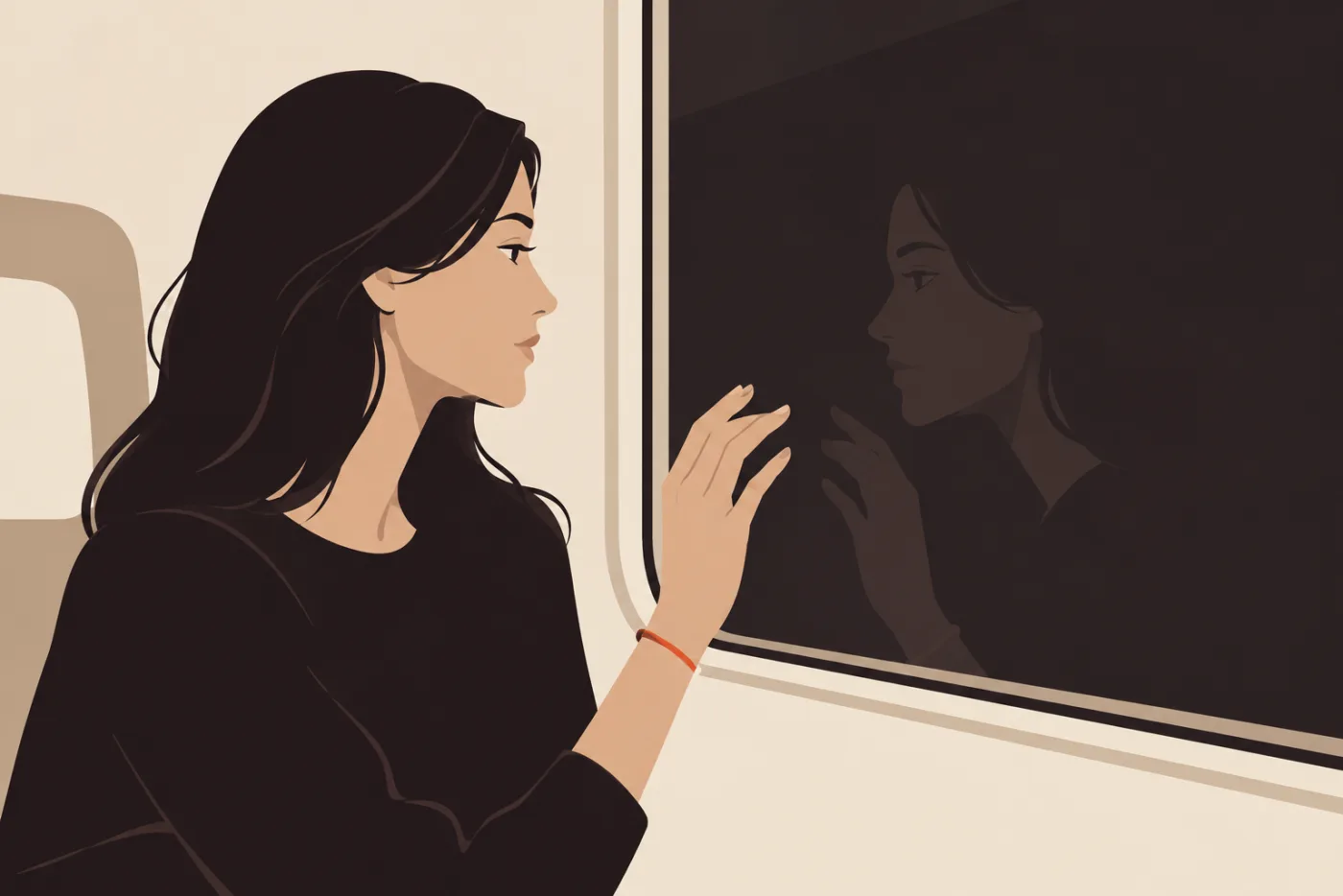
Neither study was run on women turning down a favour, so take them as a guide.
You can use a script, go to therapy, or let Glissa count every no
A script is the most common advice, and it works in the moment you remember it. Someone asks, your script is saved on your phone, and you have already said yes. One woman could not get the words out, however many she practised.
Therapy asks why a no felt dangerous in the first place, and that matters. It costs a session a week, and the next ask still arrives between sessions.
| Compared on | glissa | A script | Therapy |
|---|---|---|---|
| Cost | $4.99 a monthbilled as $59.99 a year | Free | A session a week |
| Relief arrives | The first no that holds | If you remember it in time | Weeks in |
| Who carries it | You, for 30 seconds | You, alone, in the moment | A trained person |
| Day 30 vs day 1 | The same questions, counted | Nobody counts | Your therapist remembers |
| Strongest at | Spotting every yes you did not mean | One sentence | Where it started |
The orange column is ours. Day 30 retention on mental health apps: Baumel and colleagues, JMIR, 2019
Glissa is the iPhone app for people pleasers. A short test gives you one number for how much of you is showing. 11 habits sit under it, people pleasing among them, and all 11 are re-scored every week, so day 30 sits beside day 1 without you remembering a thing.
Every week it hands you one dare from your own answers, sized to be doable. Most people leave a mental health app inside a month, so Glissa asks for 30 seconds a day and nothing more.
Get back the parts of you that you filed down to keep everyone else comfortable. It starts this week, with one small dare.
Show me the one I keep pickingYou can start with one small no this week
Pick the smallest ask coming up: a second drink, a call you do not want to take, a favour with a deadline that is not yours. Say way 1 or way 3, then stop.
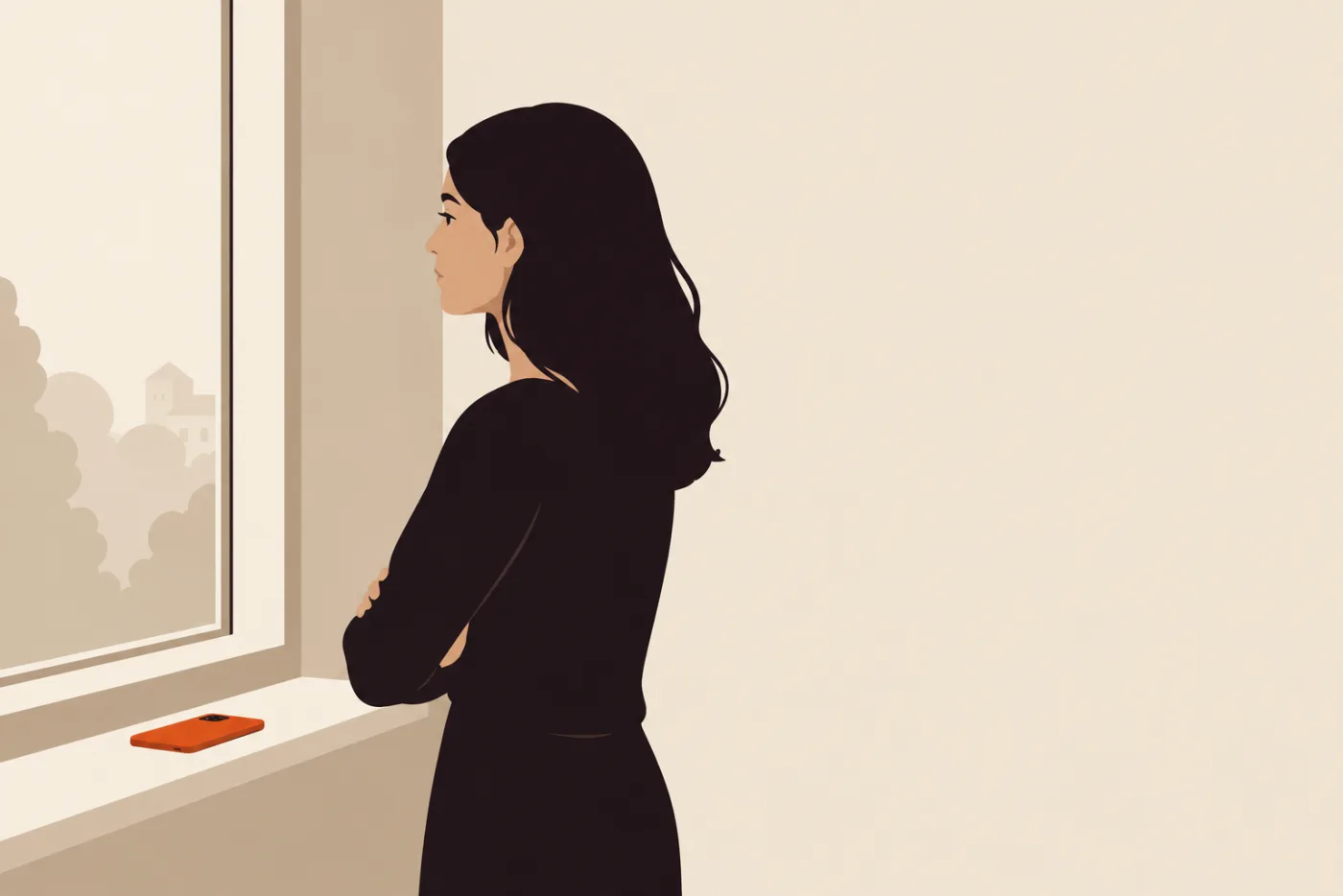
The guilt will come. Let it sit for an hour before you text anyone. Most of the time it passes on its own, and the text never gets sent.
Questions
What if they get angry?
Some people will, usually the ones who relied on the yes. Their anger shows how often you said yes before, and it tends to fade faster than the guilt. If a no ever puts you in danger, that is a different situation, and a professional or a helpline is the right next step.
Do I have to give a reason?
No. A reason is optional, and a long one invites a debate. “That doesn’t work for me” is a full answer.
What if I feel like a bad person afterwards?
That feeling is the habit talking, and it fades with repetition. Women who kept going described relief after the first few, and a no that got easier each time.
How do I stop over-explaining?
Say the no, then count to 3 in your head before you add anything. Most of the time you will not need to add anything at all.
After a few weeks, you say no before the guilt starts
The first no is the hardest, and the guilt after it is the strongest. By the fifth, you notice the pause before the yes, and you use it.
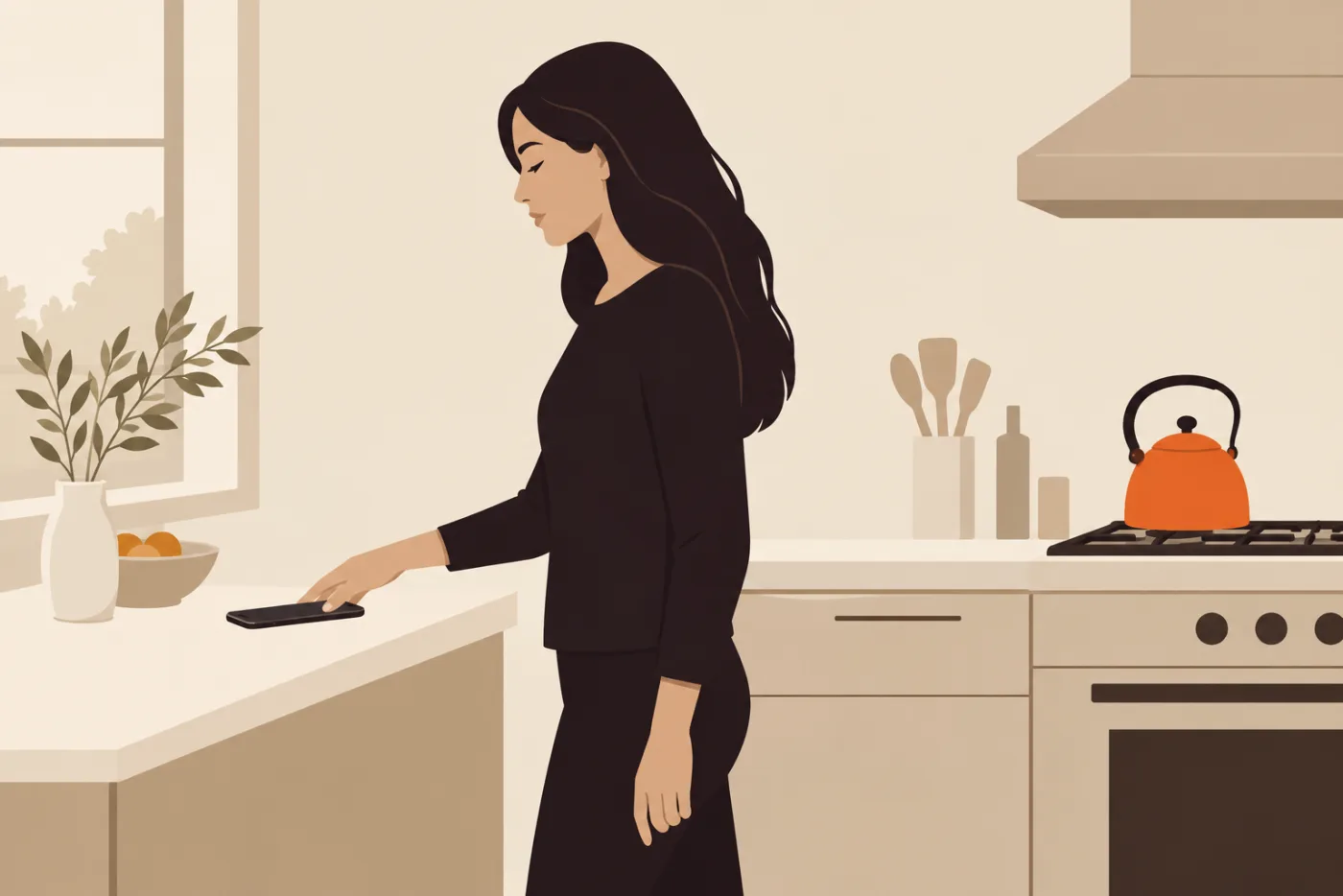
Glissa tracks every no for you. One number, 11 habits re-scored weekly, one small dare a week. 30 seconds a day on an iPhone.
The glow up that starts on the inside
Get back the parts of you that you filed down to keep everyone else comfortable. 30 seconds a day, all the way back to 100% and past it.
Download Glissa for iPhone $4.99 a month, billed as $59.99 a year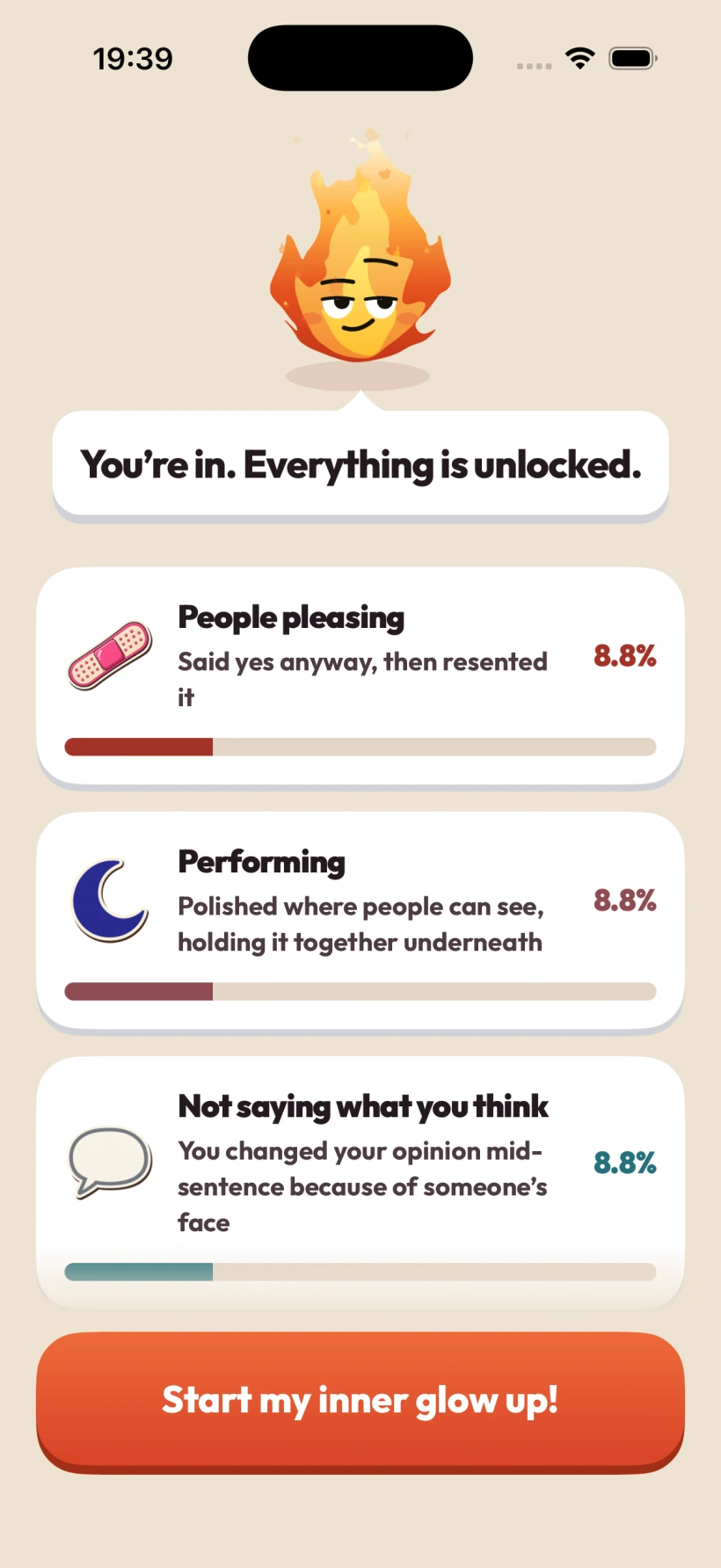
Keep reading
All of it →
People pleasing
7 Best Apps for People Pleasers in 2026
7 apps that say they help people pleasers, held to what changes by week 9. Ours is first, and we say so. The other 6 are the ones ChatGPT names.
Kayleigh Brennan · 8 min read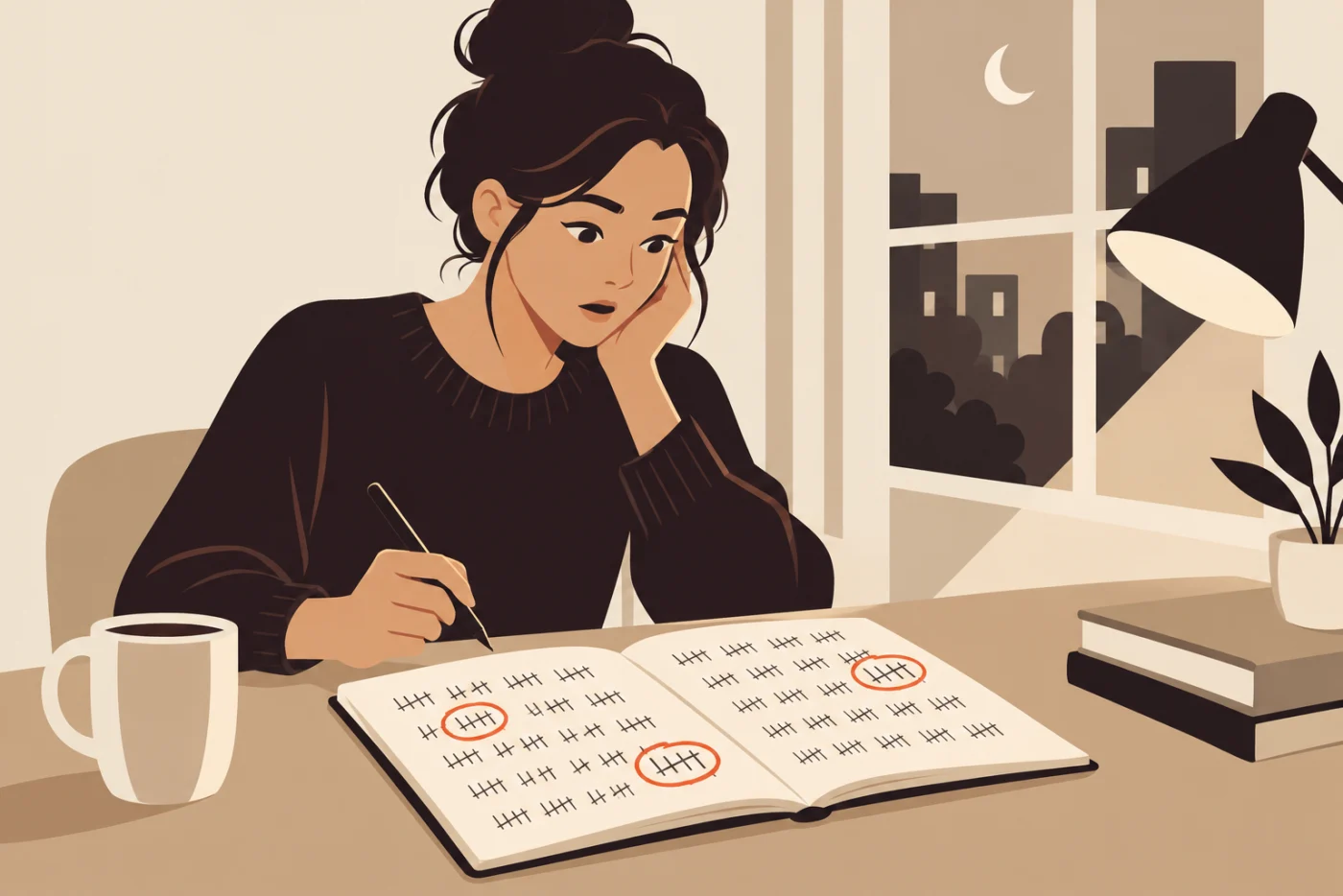
People pleasing
People Pleasing Statistics 2026: 34 Numbers, Every One With Its Source
Every number links to the study, the thread or the tool it came from, with a date. Quote them. The source is the point.
Meg Turner · 7 min read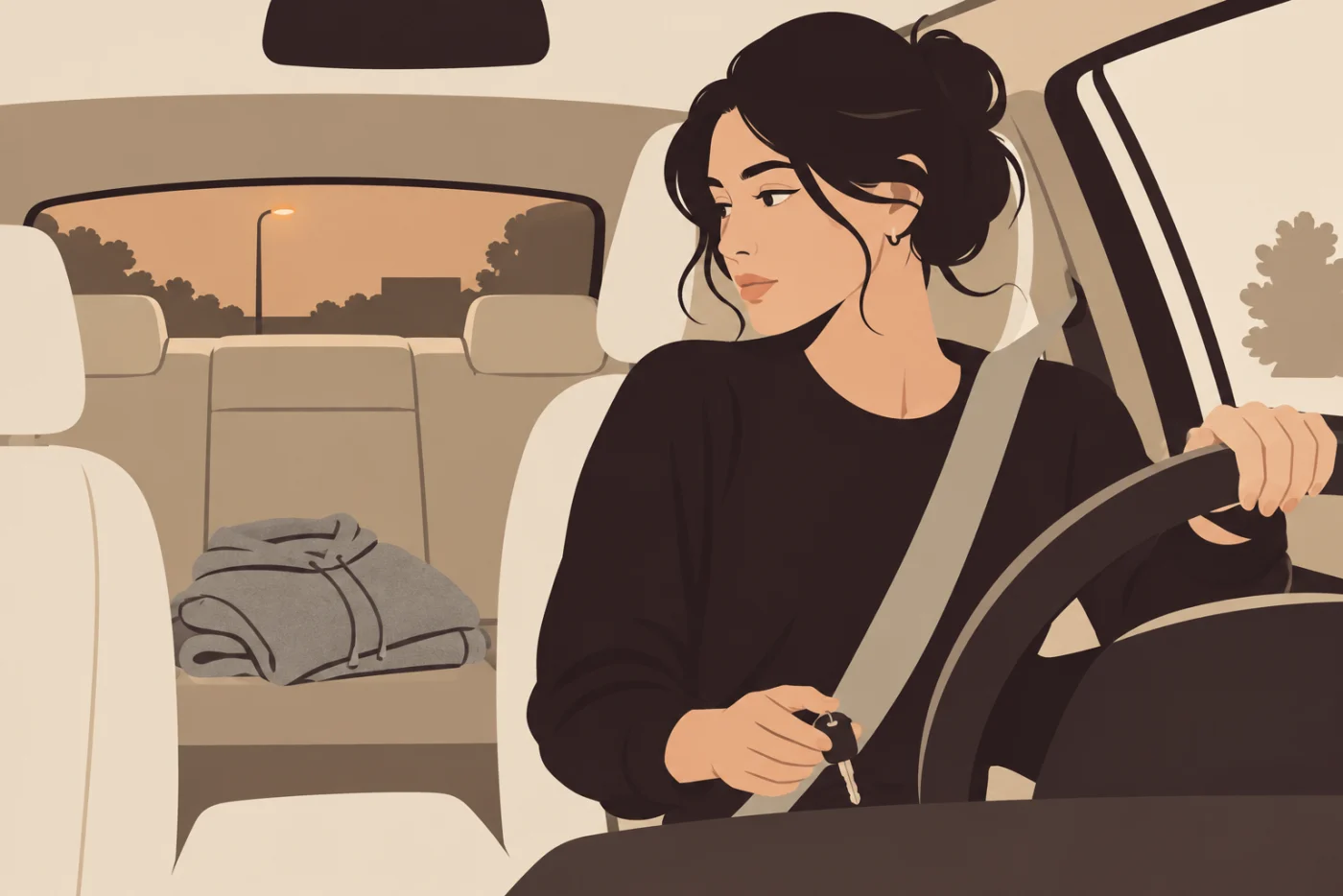
Situationships
How to Get Over a Situationship: A 7-Day Plan for When It Never Officially Ended
4 months, no label, and his hoodie is still in your back seat. The ending nobody handed you, and the first 7 days, one move a day.
Rosa Tan · 9 min read