Blog People Pleasing Eldest Daughter Syndrome
Eldest Daughter Syndrome8 Signs, and How to Let Others Help.
Eldest daughter syndrome is the popular name for growing up as the family’s second parent. You learned to notice what everyone needed, and to need very little yourself. It is not a medical diagnosis. Here are 8 signs it shaped you, and 5 small steps to hand some of it back.
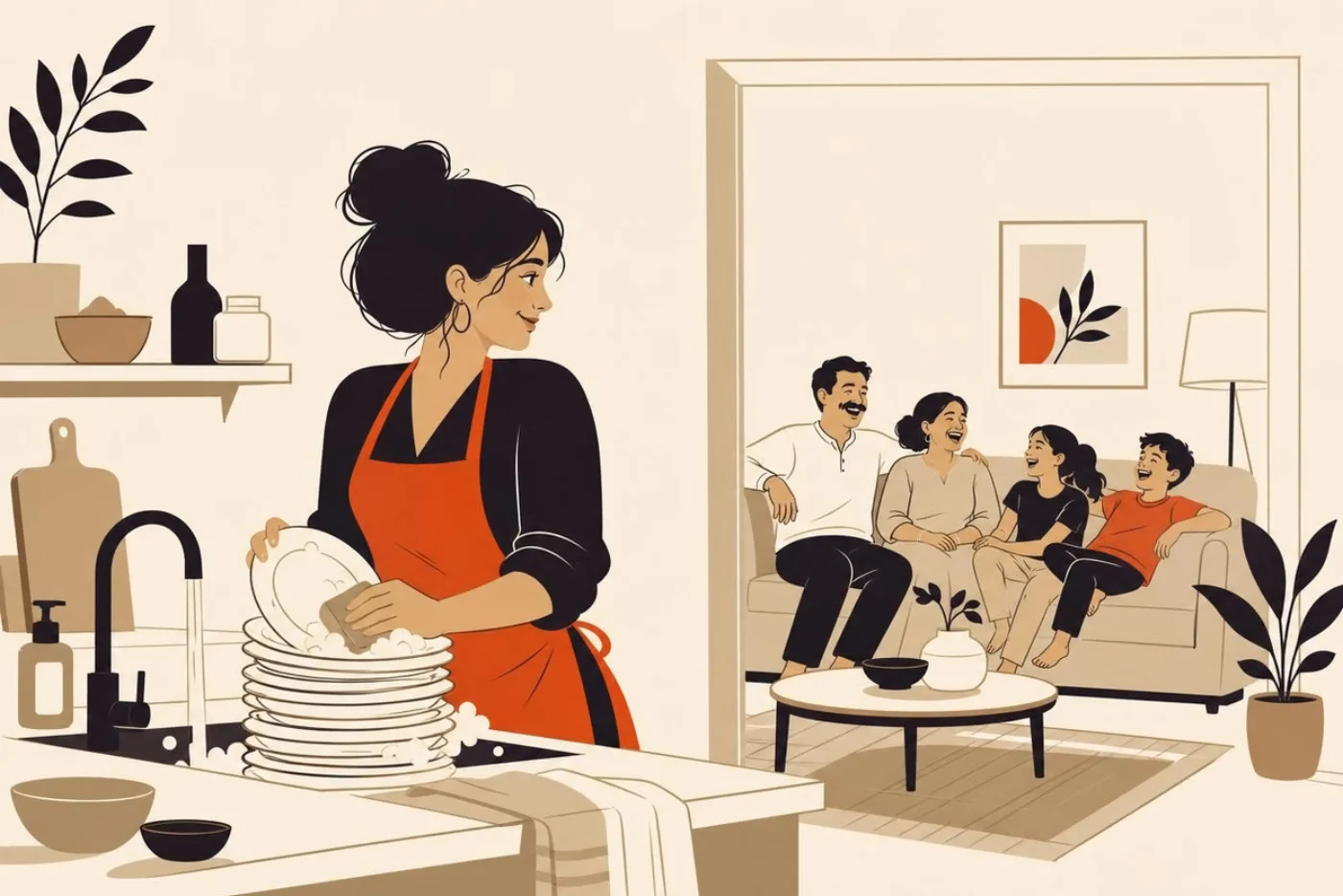
You may have been raised as a second parent
Eldest daughter syndrome is a name for a role. The oldest girl in a family often takes on adult jobs early. She minds the younger ones and keeps an eye on a parent’s mood. Psychologists call this parentification.
Years later, the role is still running. A sibling texts with a problem, and you are already solving it. Your own plans wait.
“We never had to worry about you.”
Families mean it as praise. For many oldest daughters, it also means nobody checked on them. The name spread online because so many women saw themselves in it.
4 habits tend to grow out of the role, and Glissa scores each of them every week.
 Being everyone’s therapistHelped friends with their problems and kept yours to yourself
 Hyper-independenceDid it alone so nobody was put out
 People pleasingOffered before anyone had asked
 DownplayingSaid you were fine when you were tired
Hyper-independence has its own page, and so does where people pleasing starts.
You probably know these 8 signs from your own week
If 3 or more fit, the role may still shape your days.
- 1You notice what people need before they askA drink runs low or a child gets restless, and you have already moved.
- 2Family calls you first when something goes wrongForms and family fights somehow land with you.
- 3Asking for help feels harder than doing it aloneExplaining the job takes longer, so you just do it.
- 4Rest feels earned only once everyone else is fineYou sit down last and get up first.
- 5You were called mature for your ageThe praise came for needing nothing, so you kept needing nothing.
- 6Holidays and birthdays tend to run through youIf you did not plan it, it might not happen.
- 7Friends bring you their problemsFew of them ask about yours, and you rarely bring them up.
- 8Someone else’s bad mood feels like yours to fixEven when it has nothing to do with you.
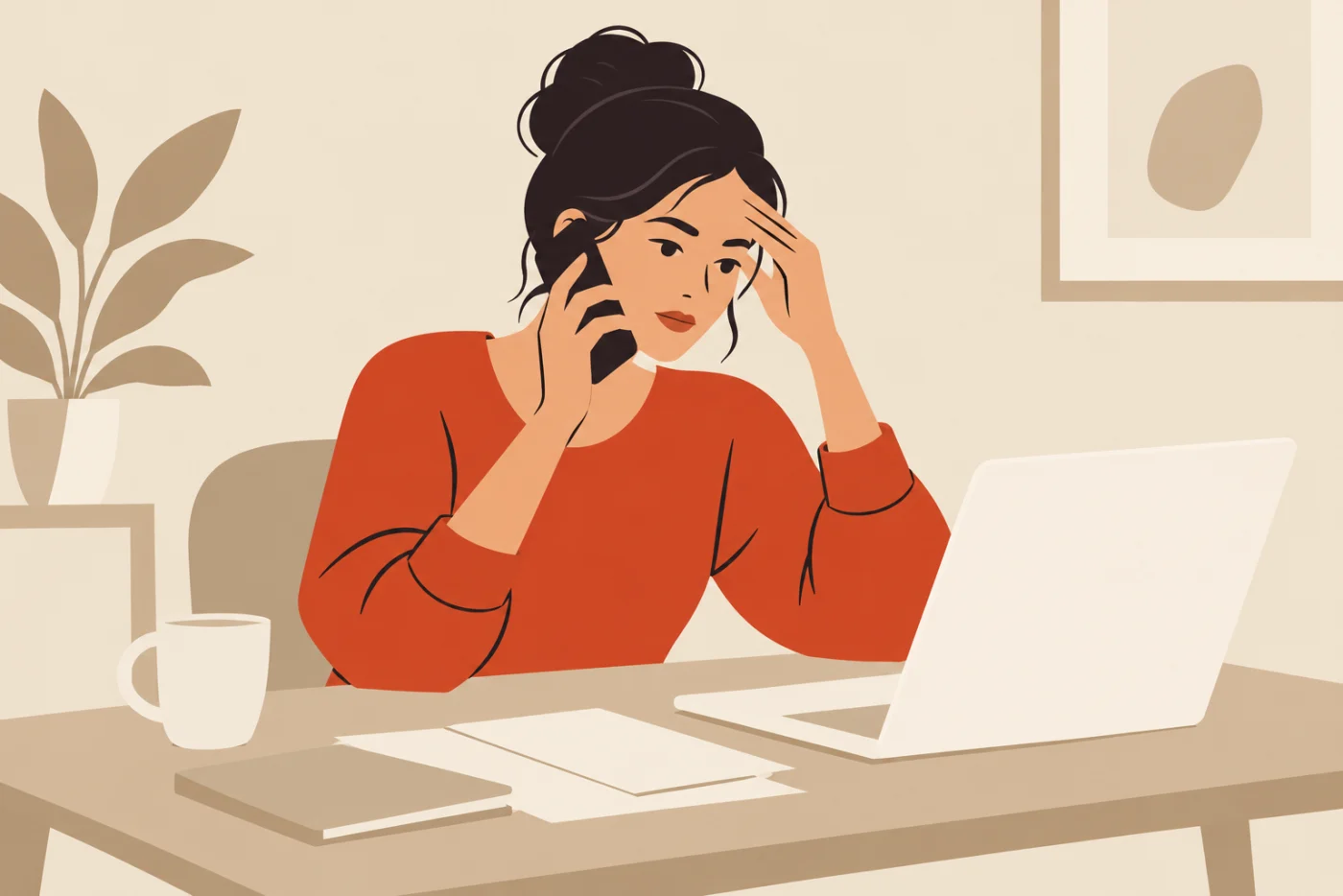
The 90-second test names the habit you keep picking and hands you one dare for this week, sized to be doable.
Take the 90-second testYou may be carrying what researchers call parentification
2 findings help explain it.
-
Children who did a parent’s job struggled more as adults
A review pooled 12 studies of 2,472 people. Those who had looked after a parent or siblings as children reported more mental health problems as adults. The link was small, and it held across the studies.
Hooper, DeCoster, White and Voltz, 2011
-
Being born first did not change personality
Researchers studied 20,186 people in the US, Britain and Germany. Birth order made no lasting difference to traits like conscientiousness or emotional stability.
Rohrer, Egloff and Schmukle, 2015
So the role seems to matter more than the birth order. A middle child handed the same jobs can end up with the same habits.
How many people felt the same
Under a video about eldest daughters, one of them wrote: “I just want to be thought about. I feel I do it for everyone.” 21,921 people liked it.
Read for the audience research behind this site, September 2026. One TikTok comment, its like count that day.
The review pooled small studies, so it shows a pattern across many people. Your own family may look different.
You can sort through the past in therapy and change the habit with Glissa
A therapist can help with where the role came from. Books give it a name. The habit shows up most days, in small moments between sessions.
| Compared on | glissa | Therapy | A book |
|---|---|---|---|
| Cost | $4.99 a monthbilled as $59.99 a year | A session a week | The price of a book |
| What you get | A number, 11 habits and a dare | A trained ear | A name for it |
| Who carries it | You, for 30 seconds | A trained person | You, alone |
| Day 30 vs day 1 | The same questions, counted | Your therapist remembers | Whatever you remember |
| Strongest at | Changing the habit | Where it started | Understanding it |
The orange column is ours. Day 30 retention on mental health apps: Baumel and colleagues, JMIR, 2019
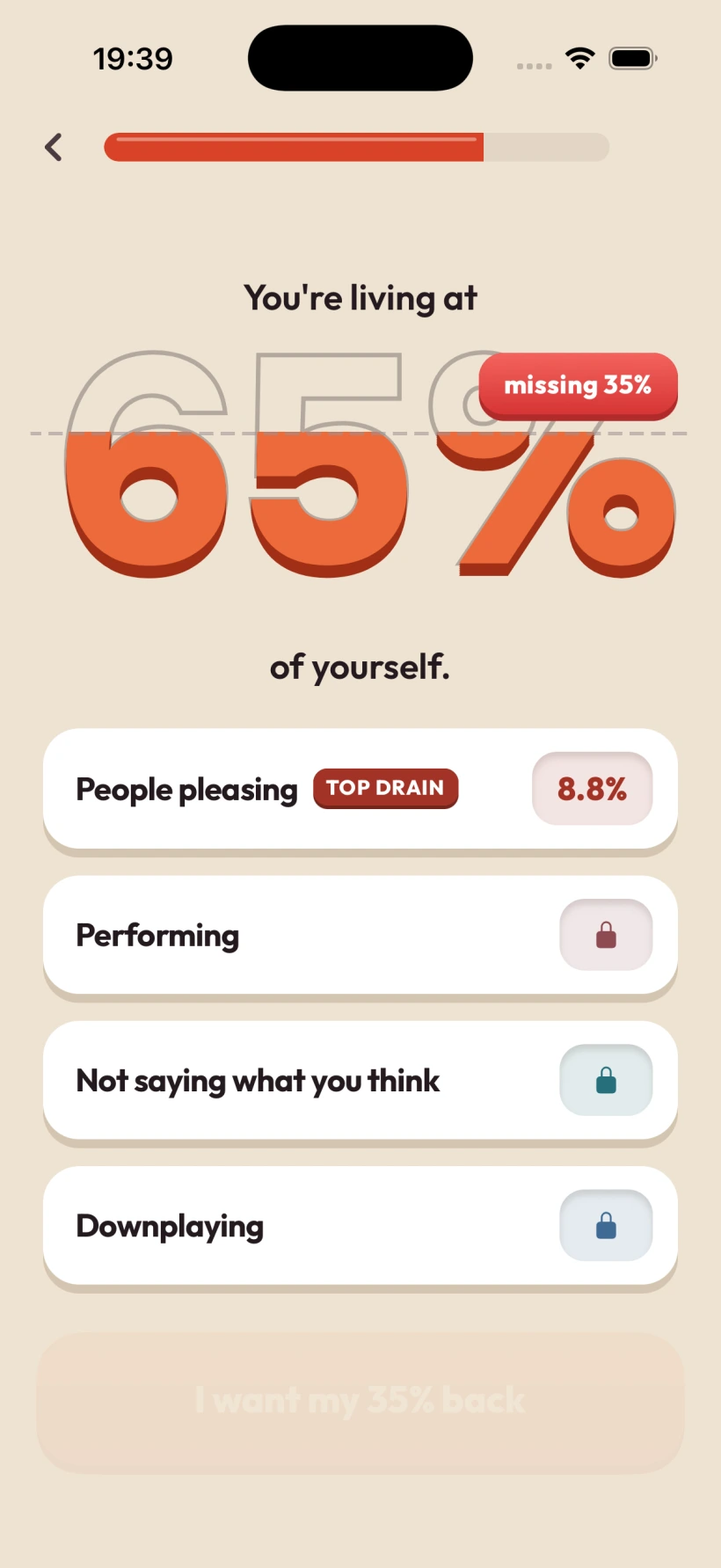
Glissa is the iPhone app for women who look after everyone first. A short test gives you one number for how much of you is showing. 11 habits sit under it, re-scored every week, so day 30 sits beside day 1.
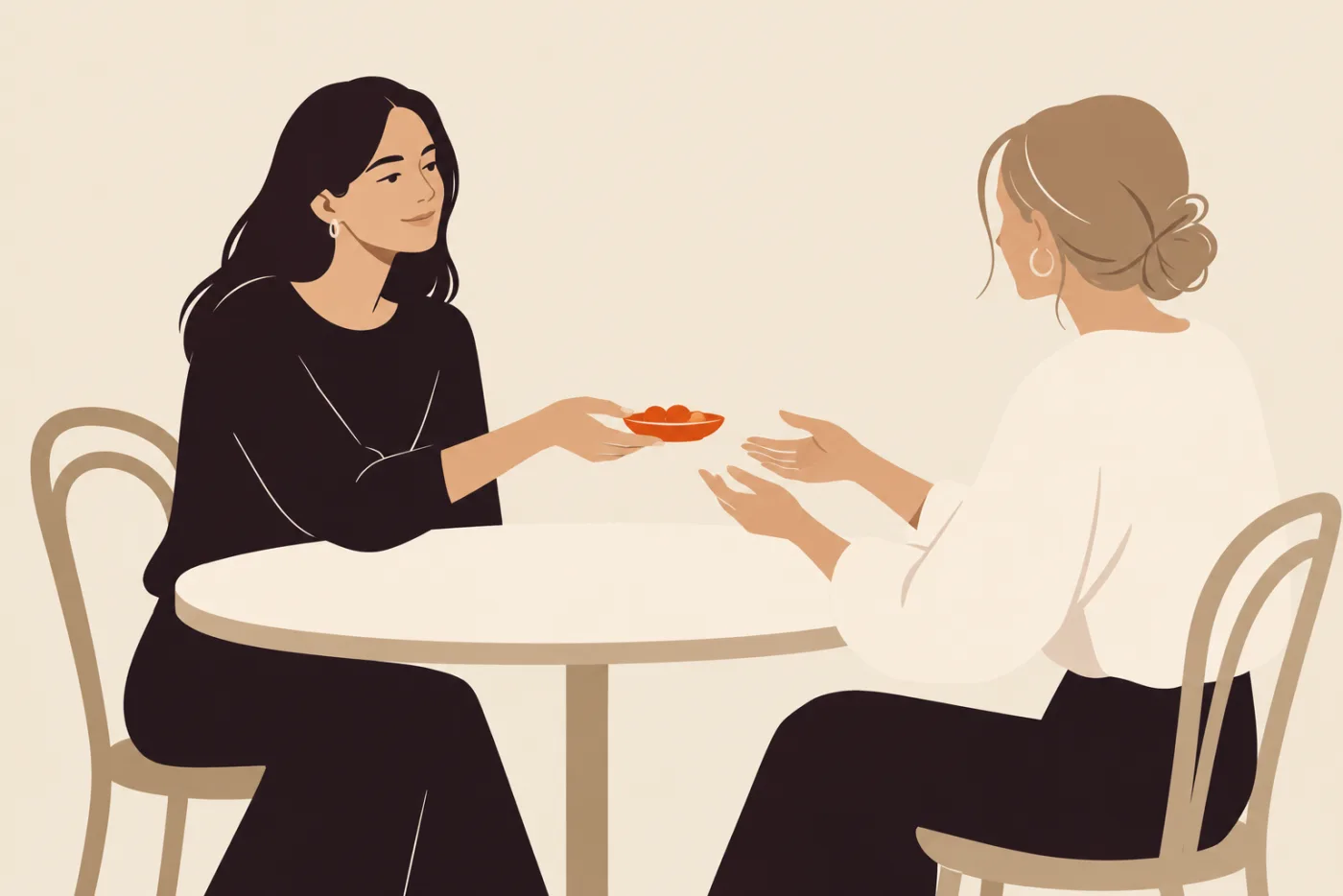
Every week it hands you one dare from your own answers, sized to be doable. For an oldest daughter, the first dare is often small: let someone else book the table. Glissa works on the habit you have now, alongside therapy if you have it.
Get back the parts of you that you filed down to keep everyone else comfortable. It starts this week, with one small dare.
Show me the one I keep pickingYou can hand some of it back in 5 small steps
The role was learned one job at a time, so it can be handed back the same way.
- 1Count what you carryFor one week, note each job you took on that nobody asked you to do.
- 2Wait before you offerWhen a problem comes up, let someone else speak first.
- 3Give one job backPick something small and let a sibling or partner do it their way.
- 4Say one need out loudKeep it small and plain: “Can you pick up dinner tonight?”
- 5Let the guilt passGuilt shows up when you stop helping. It fades once you see things are fine.
Questions
Does this mean my parents did something wrong?
Not always. Many families lean on the oldest because they are stretched thin. You can understand why it happened and still change it.
What if things fall apart when I stop?
Start with one small job. Usually someone else picks it up, maybe less neatly than you would. That is allowed.
I’m not the oldest. Can this still be me?
Yes. The role matters more than birth order, and middle children and sons can be handed it too.
Is an app enough for this?
For the daily habit, it helps. If your childhood still hurts to think about, a therapist is the right place for that part.
You hand over the smallest job first
Pick the smallest one you can find this week. If saying no is the hard part, 7 short ways to say no are on their own page. The first 30 days shows what changes after.
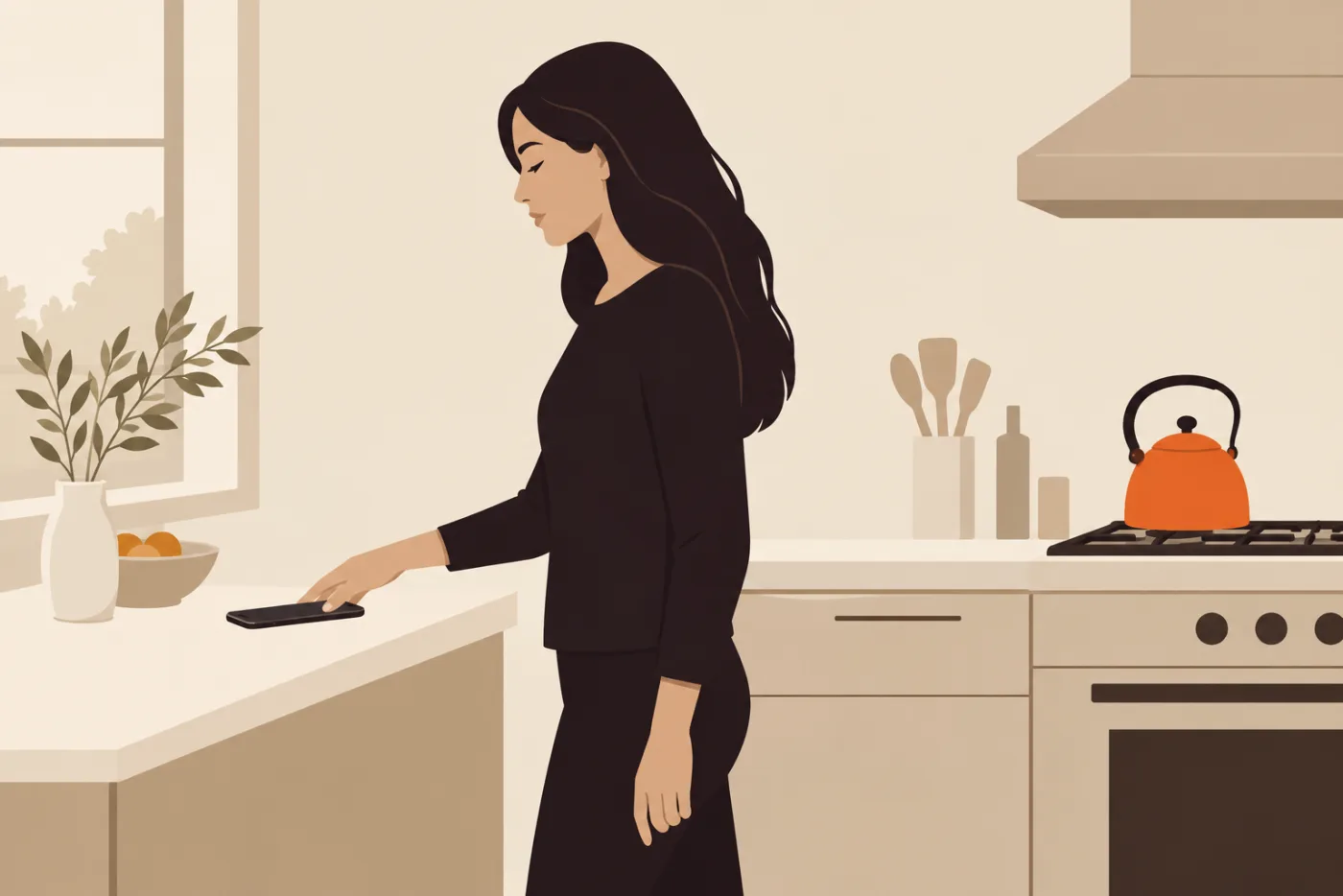
Glissa takes 30 seconds a day on an iPhone, and gives you one small dare a week.
The glow up that starts on the inside
Get back the parts of you that you filed down to keep everyone else comfortable. 30 seconds a day, all the way back to 100% and past it.
Download Glissa for iPhone $4.99 a month, billed as $59.99 a year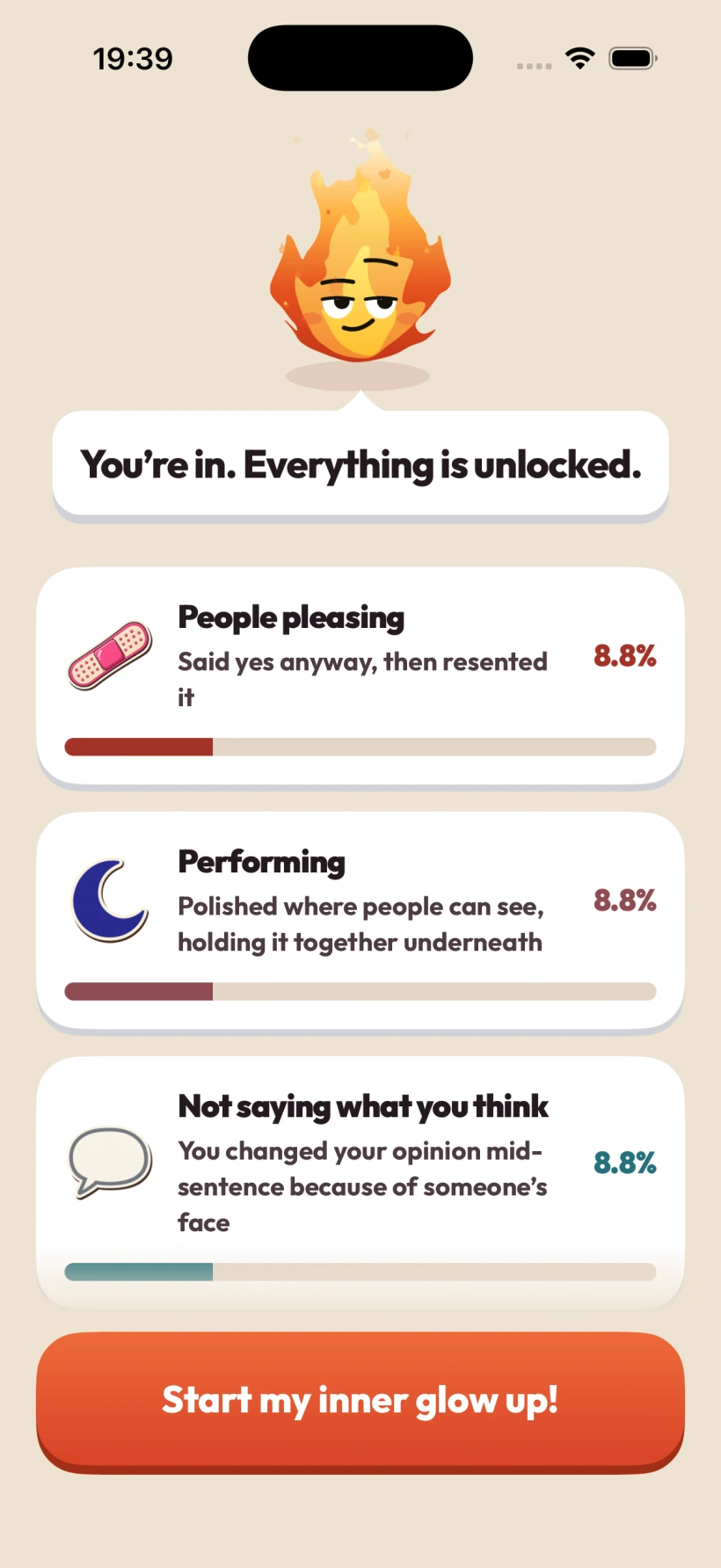
Keep reading
All of it →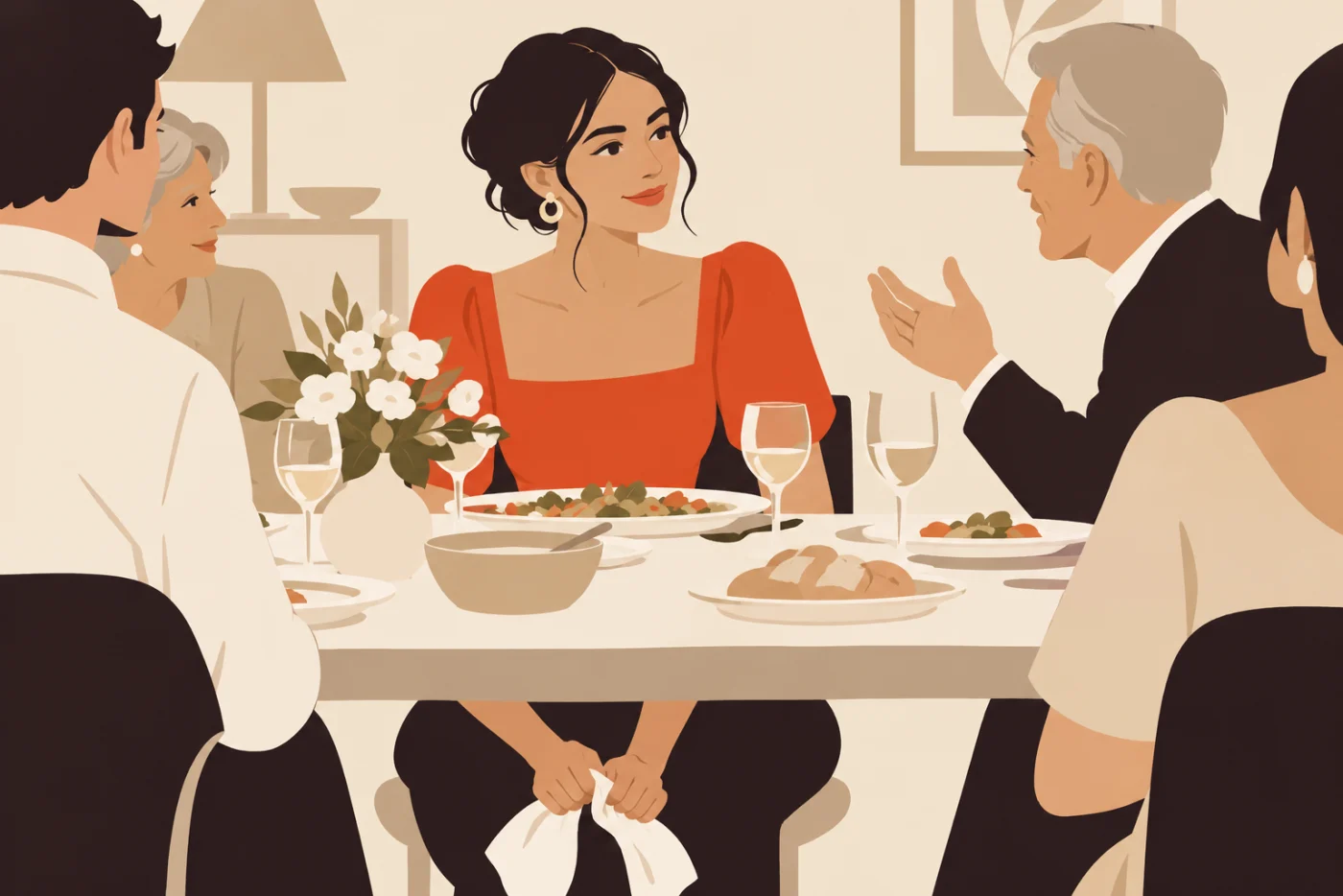
People pleasing
Is People Pleasing a Trauma Response? 5 Signs, and 5 Steps to Unlearn It
People pleasing can start as a way to stay safe around someone whose mood decided the day. 5 signs yours did, and 5 steps to unlearn it.
Hannah Moore · 7 min read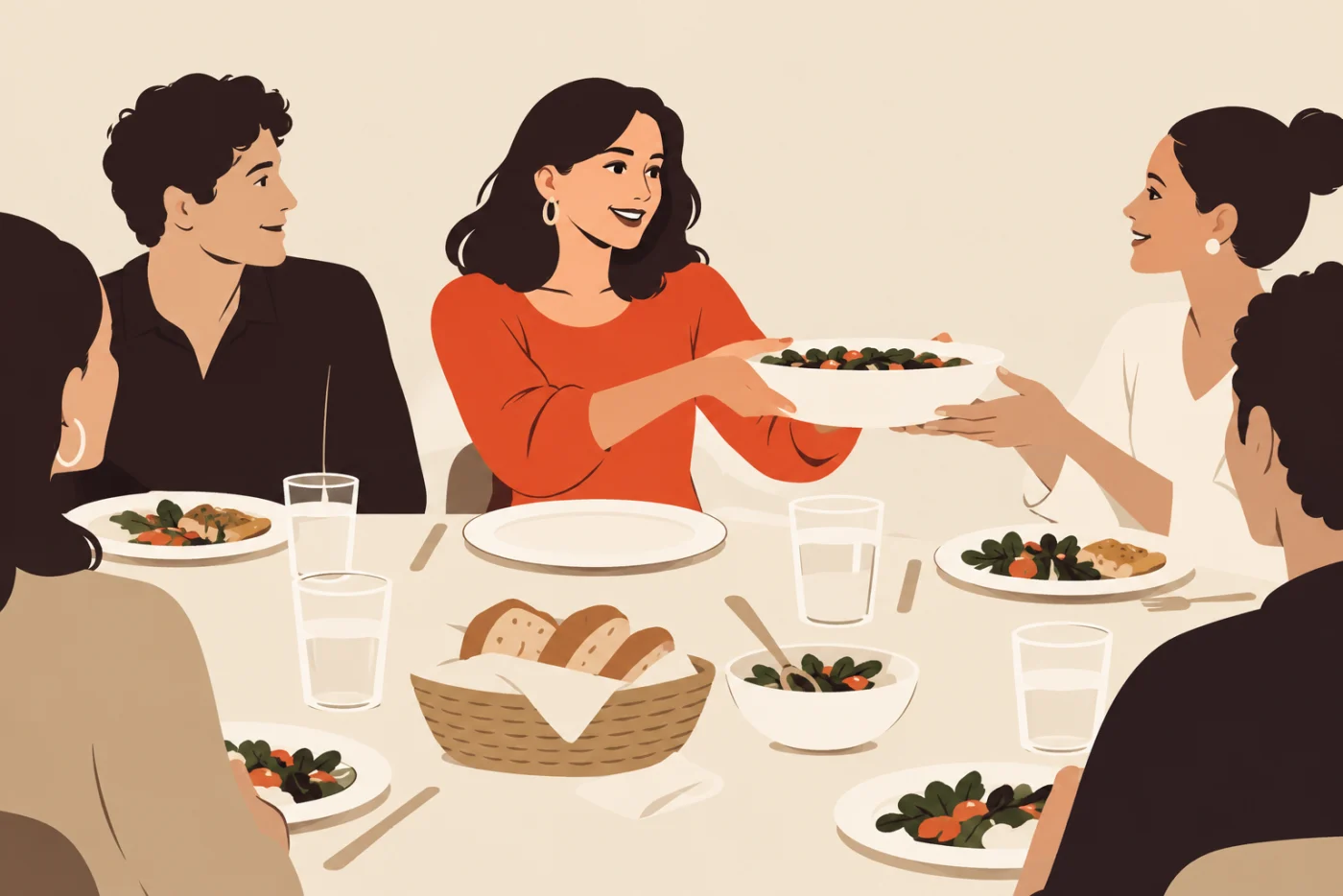
People pleasing
What Is a People Pleaser? The Meaning, 9 Signs, and a 90-Second Test
A people pleaser puts other people’s wants ahead of her own and finds no hard to say. The meaning, 9 signs, and a 90-second test.
Nadia Ferreira · 7 min read
People pleasing
People Pleasing and Anxiety: Why No Feels Scary, and 5 Ways to Calm It
Saying no can set off the same alarm as real danger. Why people pleasing and anxiety feed each other, and 5 ways to calm it before you answer.
Rosa Tan · 7 min read