Blog People Pleasing How to Stop Caring What People Think
How to Stop Caring What People Think7 Steps to Care a Little Less.
You will not stop caring completely, and you do not need to. The aim is to stop other people’s opinions from making your choices. Most people notice you far less than you think, and they like you more. Here are 7 small steps to get there.
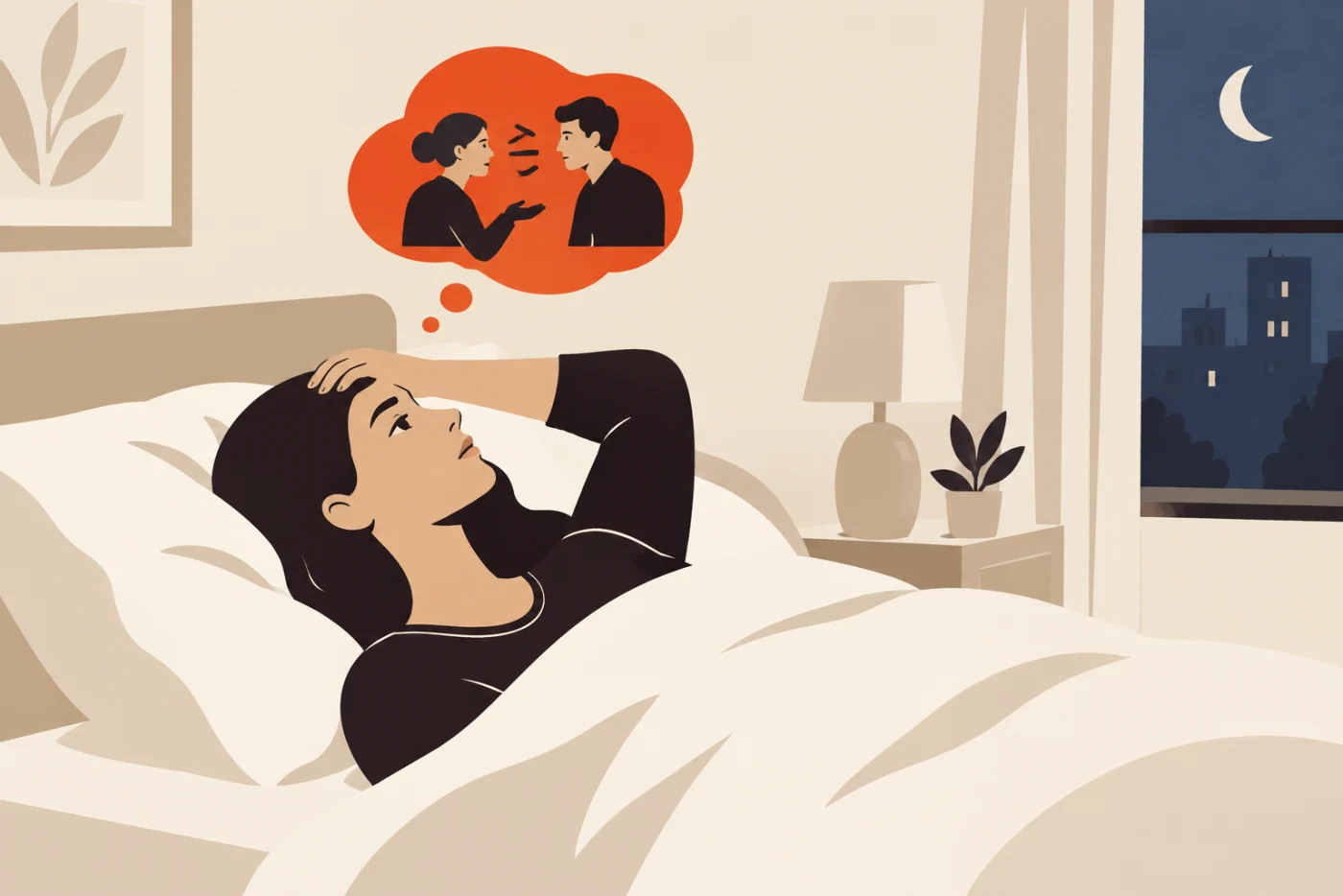
You care this much because approval once kept things calm
Everyone cares what people think. It is part of getting along with others. For a people pleaser, it decides much more of the day. It shapes the plan you agree to and the opinion you keep to yourself.
Often it started early. If keeping people happy kept the peace at home, you got good at guessing what they wanted. You still guess all day, and you rarely check if you were right.
“I will change my views on a certain topic just to have something in common with the person I’m talking with.”
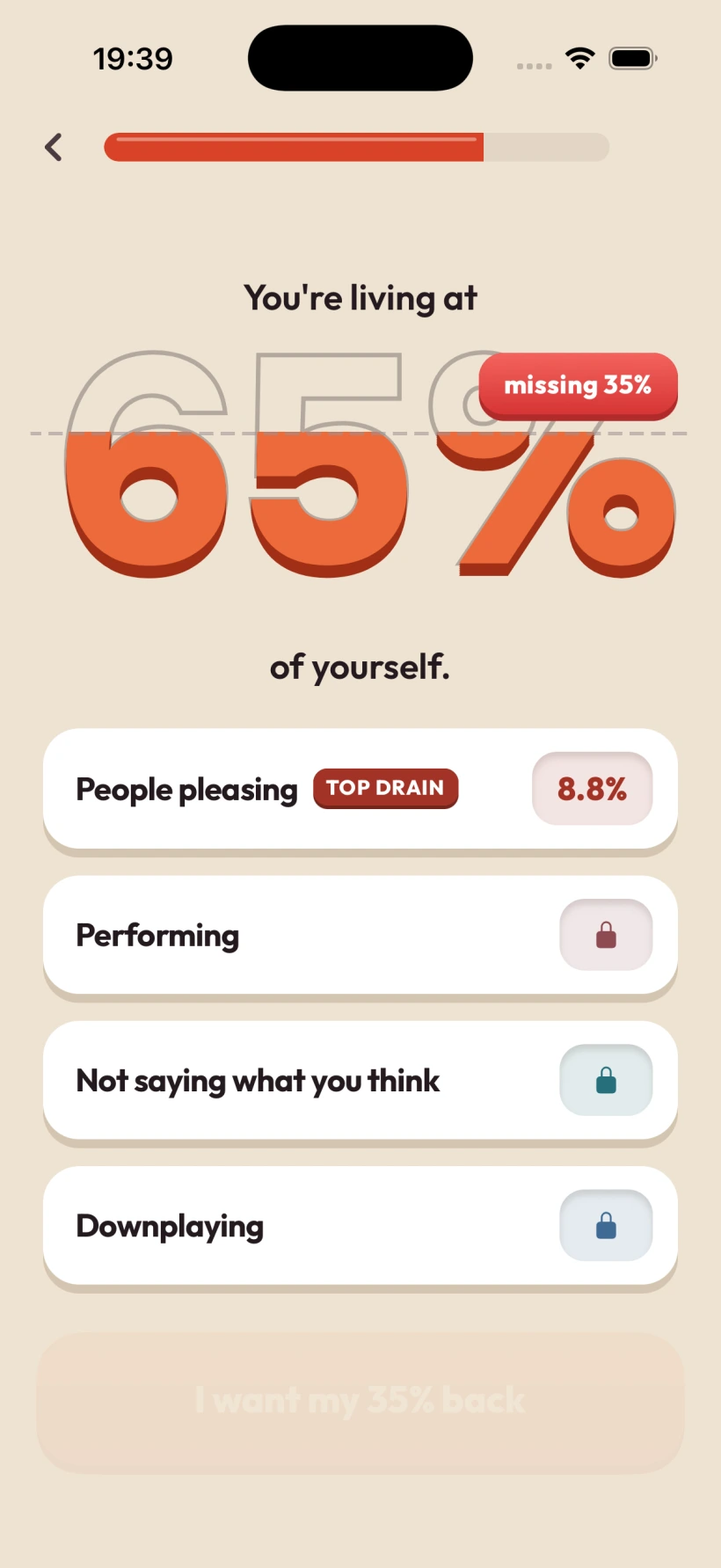
4 habits tend to come with it, and Glissa scores each of them every week.
 Not saying what you thinkChanged your view to match theirs
 PerformingActed the way you thought they wanted
 People pleasingAgreed to the plan you did not want
 Losing yourselfForgot what you wanted in the first place
What a people pleaser is has its own page, and so does the fawn response.
You may see it in 6 everyday moments
If 3 of these sound like your week, other people’s opinions are making more of your choices than you would like.
- 1You rewrite a message before sending itThe words were fine the first time. You change them anyway.
- 2A conversation replays in your head that nightYou go back over one thing you said and look for the mistake.
- 3You agree to plans you did not wantSaying yes felt easier than explaining a no.
- 4Your opinion shifts when someone frownsBy the end of the sentence, you agree with them.
- 5You rehearse a phone call before you make itSometimes you put the call off for days.
- 6Someone’s short reply stays with you all afternoonYou read it again to find what you did wrong.
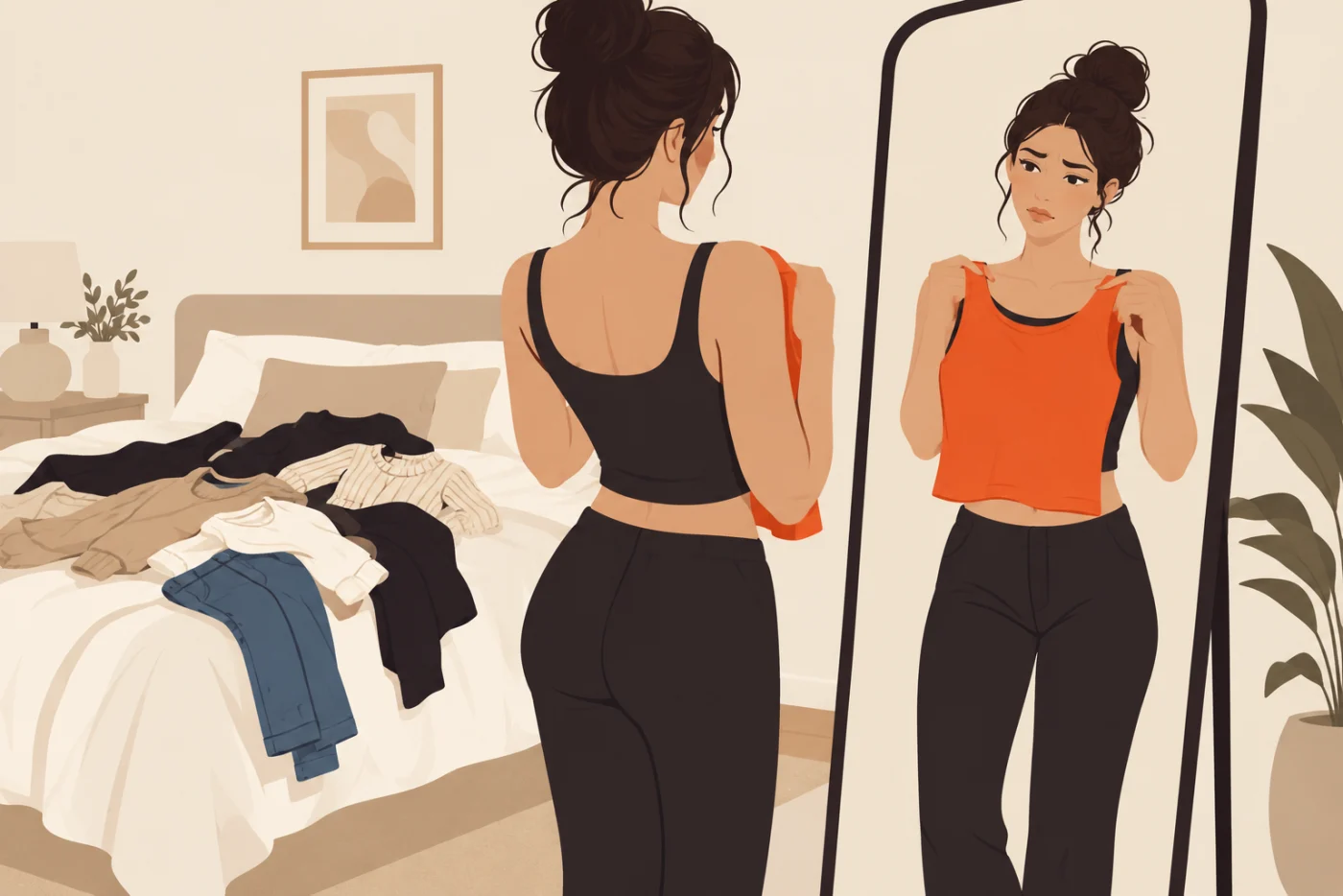
The 90-second test names the habit you keep picking and hands you one dare for this week, sized to be doable.
Take the 90-second testYou are noticed less, and liked more, than you think
2 studies measured the gap between what you expect and what other people see.
-
People noticed an embarrassing T-shirt far less than its wearer guessed
Students wore an embarrassing T-shirt into a room of other students. Afterwards, they guessed how many people had noticed it. They guessed too high. The researchers called it the spotlight effect.
Gilovich, Medvec and Savitsky, 2000
-
After a first conversation, people were liked more than they knew
Strangers talked, then guessed how much the other person liked them. On average, they guessed too low. Among new dorm mates, the gap lasted for months.
Boothby, Cooney, Sandstrom and Clark, 2018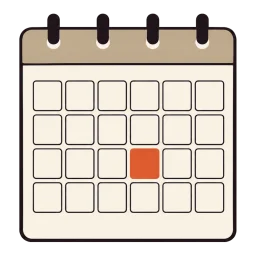
How many people recognised it
One Instagram post was written for people who replay conversations in their head. 61,095 people liked it.
Read for the audience research behind this site, September 2026. One post, its like count that day.
Both studies looked at strangers and new friends. With family or a partner, the stakes can feel higher.
You can work on the habit with Glissa and the past in therapy
Therapy helps with where the need for approval came from. A book can explain it. The habit itself shows up in small moments, most days.
| Compared on | glissa | Therapy | A book |
|---|---|---|---|
| Cost | $4.99 a monthbilled as $59.99 a year | A session a week | The price of a book |
| What you get | A number, 11 habits and a dare | A trained ear | A name for it |
| Who carries it | You, for 30 seconds | A trained person | You, alone |
| Day 30 vs day 1 | The same questions, counted | Your therapist remembers | Whatever you remember |
| Strongest at | Changing the habit | Where it started | Understanding it |
The orange column is ours. Day 30 retention on mental health apps: Baumel and colleagues, JMIR, 2019
Glissa is the iPhone app for people pleasers. A short test gives you one number for how much of you is showing. 11 habits sit under it, re-scored every week, so day 30 sits beside day 1.
Every week it hands you one dare from your own answers, sized to be doable. For this habit, the first dare might be sending a message on the first draft.
Get back the parts of you that you filed down to keep everyone else comfortable. It starts this week, with one small dare.
Show me the one I keep pickingYou can care a little less in 7 small steps
Each step is small on purpose. Done often, they add up.
- 1Name whose opinion you are guessing atOften it is one person. Sometimes nobody in the room is thinking about it at all.
- 2Check the spotlightPeople notice far less than it feels like. Most are busy thinking about themselves.
- 3Send it on the second draftRewrite a message once if you need to, then press send.
- 4Share one small opinion a dayStart where the stakes are low, like a film or where to eat.
- 5Let one person be a little disappointedSay a short no with no reason attached, and watch the day go on.
- 6Stop the replay with a factAsk what actually happened, and what you only guessed.
- 7Pick the few opinions that countChoose 3 or 4 people whose view you will weigh. Everyone else gets less of your attention.

Questions
Isn’t some caring a good thing?
Yes. Caring keeps you kind and easy to be around. The steps only lower how much it decides for you.
What if people really are judging me?
Some will, sometimes. The research says fewer people notice than it feels like.
Won’t I come across as rude?
A short, warm no is polite. Most people move on faster than you do.
Can an app help with something this deep?
With the daily habit, yes. Glissa gives you a short check each day and one small dare a week. If the fear stops you leaving the house, see a professional.
You start with one small opinion, said out loud
Pick the lowest stakes you can find this week. If the hard part is the no, 7 short ways to say no are on their own page. For the bigger picture, read how to stop being a people pleaser.
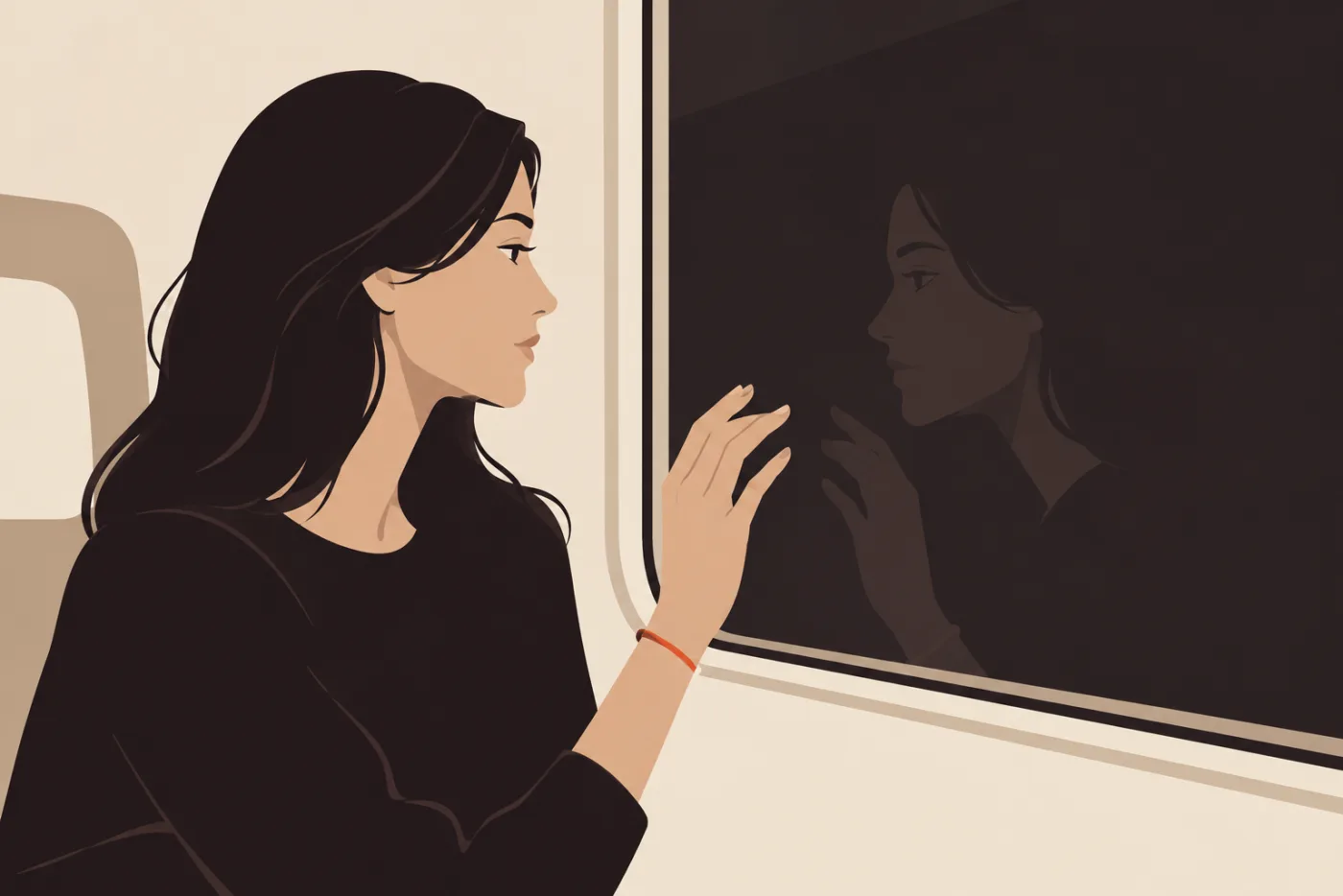
Glissa takes 30 seconds a day on an iPhone, and gives you one small dare a week.
The glow up that starts on the inside
Get back the parts of you that you filed down to keep everyone else comfortable. 30 seconds a day, all the way back to 100% and past it.
Download Glissa for iPhone $4.99 a month, billed as $59.99 a year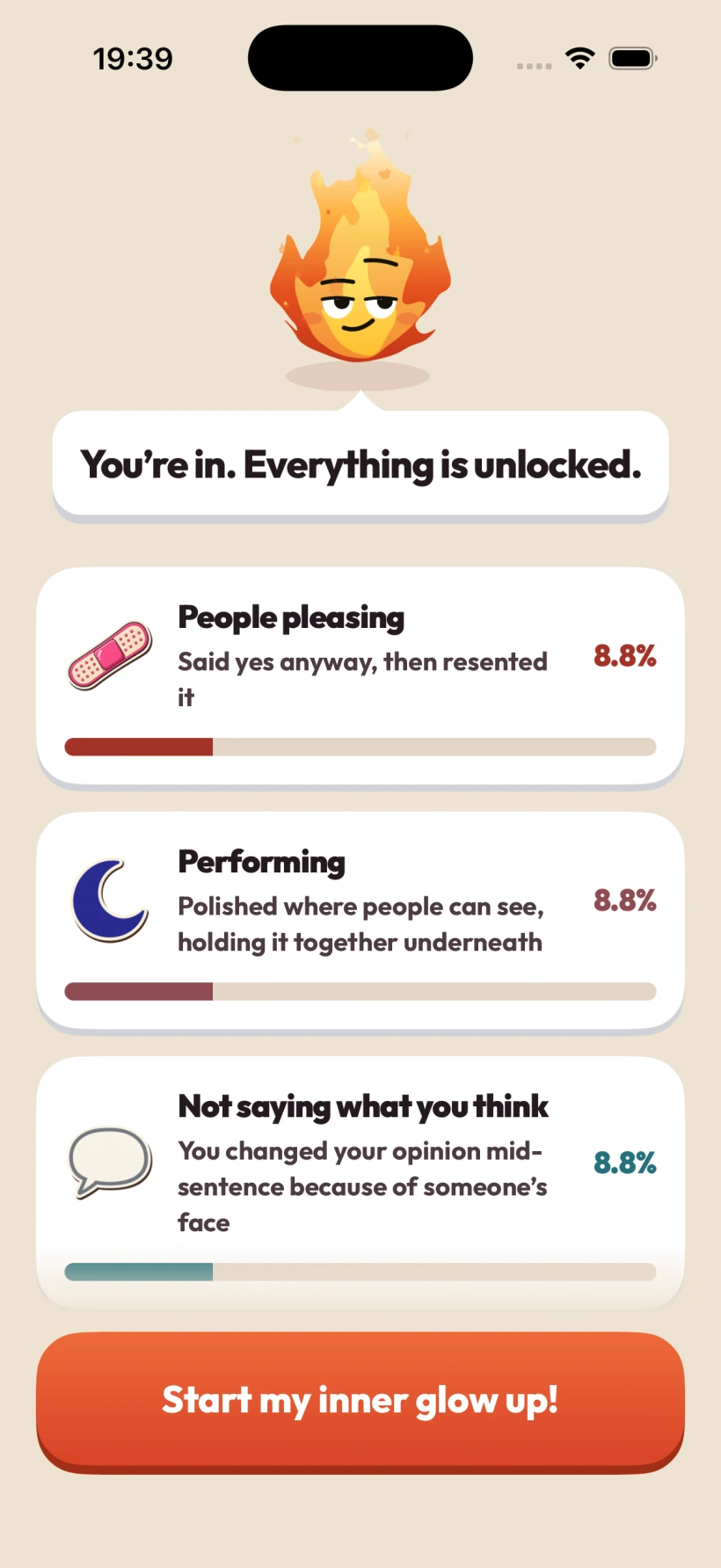
Keep reading
All of it →
People pleasing
Eldest Daughter Syndrome: 8 Signs, and How to Let Others Help
Eldest daughter syndrome is what growing up as the family’s second parent leaves behind. 8 signs it shaped you, and how to let others help.
Kayleigh Brennan · 8 min read
People pleasing
Is People Pleasing a Trauma Response? 5 Signs, and 5 Steps to Unlearn It
People pleasing can start as a way to stay safe around someone whose mood decided the day. 5 signs yours did, and 5 steps to unlearn it.
Hannah Moore · 7 min read
People pleasing
What Is a People Pleaser? The Meaning, 9 Signs, and a 90-Second Test
A people pleaser puts other people’s wants ahead of her own and finds no hard to say. The meaning, 9 signs, and a 90-second test.
Nadia Ferreira · 7 min read