Blog People Pleasing Recovering People Pleaser
Recovering People PleaserWhat Changes in the First 30 Days.
You know you do it and you still say yes on reflex. Recovering from people pleasing takes about 2 months of small nos before a new answer feels normal. Here is what changes in the first 30 days, week by week.

You already know you do it, and knowing has not stopped it
You can name the habit. You have read about it, maybe for years. You still said yes to the thing you did not want to do, and felt the resentment after.
One woman wrote that she had read the books and done the exercises and nothing stuck. Another had been in therapy for 17 years and was still fighting the urge to help.
Knowing about a habit and changing it are 2 different jobs. Knowing happens in your head. Changing happens in the moment someone asks, again and again, until the new answer comes out first.
“Being a self aware people pleaser highkey hurts.”
A recovering people pleaser is someone working on the changing part. Recovering fits, because it has a start and no clear finish, and it gets easier as it goes.
It rarely arrives alone. 3 habits sit closest to it, and Glissa scores all 4 every week.
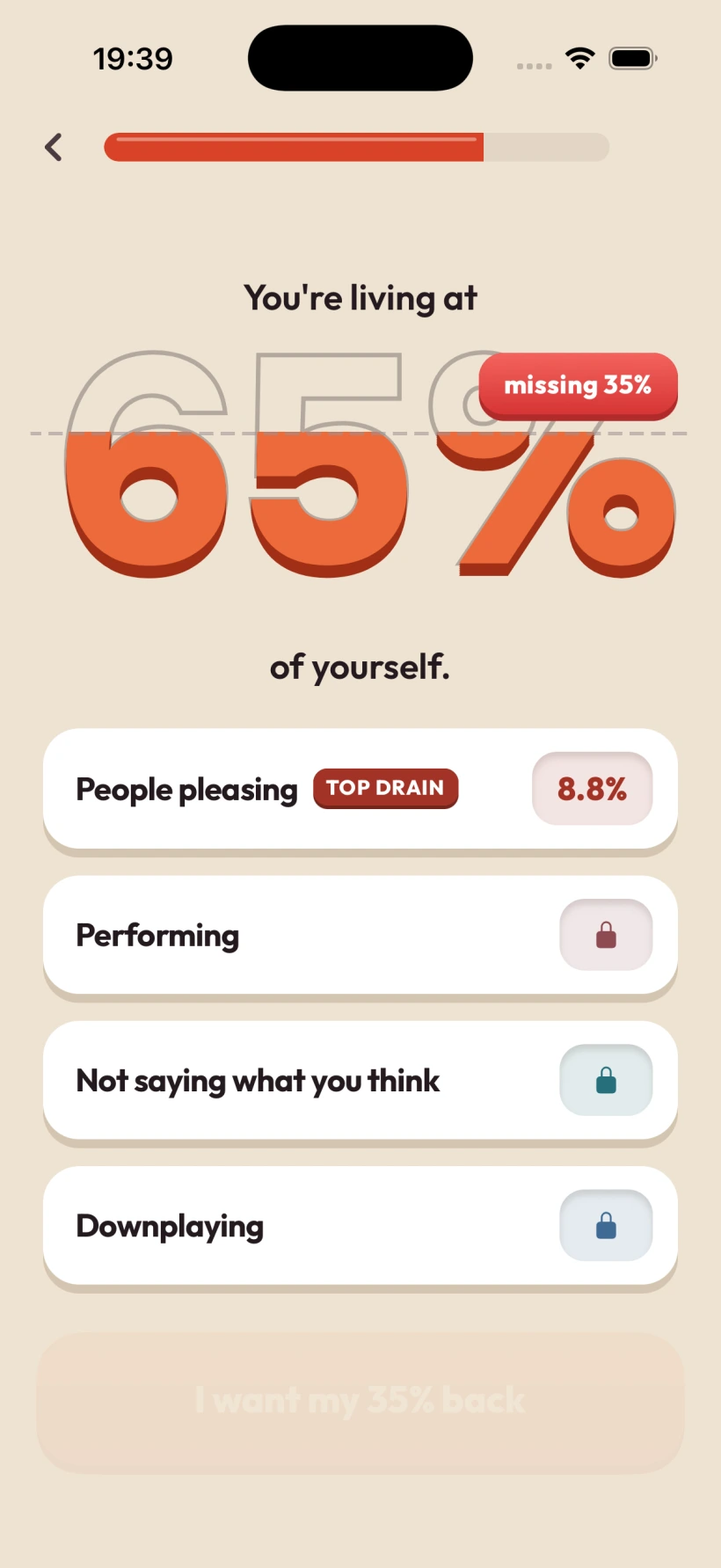
 People pleasingSaid yes before you heard the whole thing
 Not saying what you thinkChanged your opinion when their face changed
 Being everyone’s therapistBecame the one everyone calls when it goes wrong
 DownplayingSaid it was nothing when it was something
The full guide to stopping covers the method, and how to say no without feeling guilty has the words. This page is about what the first month actually feels like.
You can expect this in your first 30 days
This is the usual shape. Yours may run faster or slower, and both are fine.
- 1In the first week, you notice the yes after it is outMost of the change starts here. You still say yes, and afterwards you see it clearly. Count those moments, because the count itself shifts the habit.
- 2By week 2, you catch the yes as it happensYou pause for a second before you answer. In that second, “let me check” becomes possible.
- 3Around week 3, your first small noA second drink, a call, a favour with a deadline that is not yours. It feels awful for an hour and fine by the evening.
- 4At week 4, somebody noticesSomeone says you have changed. Most mean it kindly. A few relied on the old yes, and they may push back.
- 5By day 30, the no sometimes comes out before the guiltSome of the time, and often enough to see the difference on paper, if you have been counting.
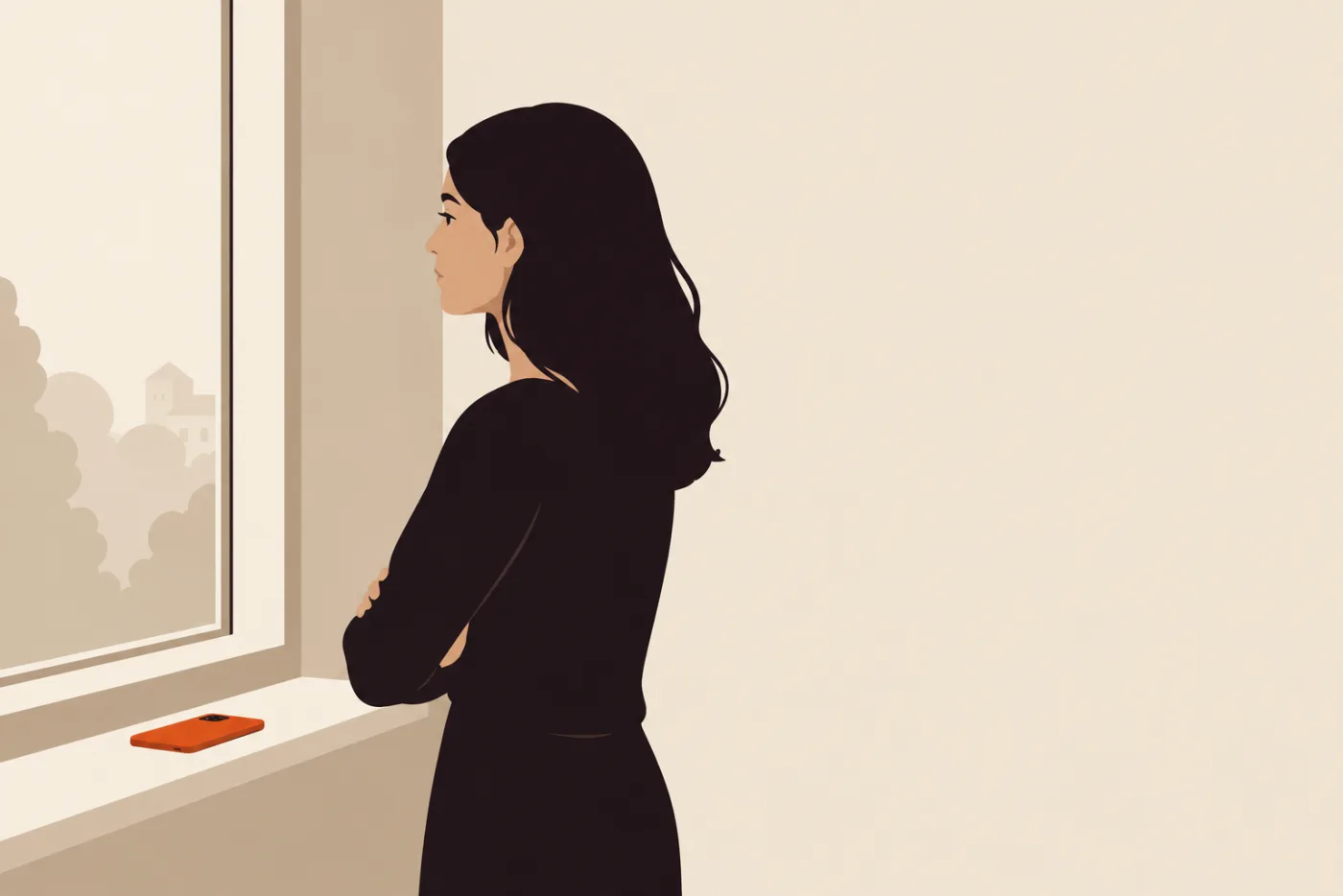
2 months is the honest estimate for a new answer to feel normal. The first month is mostly noticing, and noticing is progress.
The 90-second test names the habit you keep picking and hands you one dare for this week, sized to be doable.
Give me my first dareWhich of these was you this week?
You need about 2 months, because a new habit takes about 66 days
2 findings set the pace, and one of them shows why counting matters.
-
A new habit took a median of 66 days to feel automatic
96 people picked a new daily behaviour and tracked it for 12 weeks. It took a median of 66 days to become automatic, with a range from 18 to 254. Missing a single day did not undo the progress.
Lally and colleagues, 2010
-
Counting a habit shifts it by itself
Writing down what you do moves the behaviour in the direction you want, on its own and a little unreliably. Counting is where the change starts, and a weekly dare keeps it going.
Korotitsch and Nelson-Gray, 1999
Write the moment and the move together, before either one shows up: when I notice a yes I did not mean, I count it, and I say “let me check” to the next ask.
The line the most women agreed with, on knowing and still doing it
Under a video about people pleasing, one comment said being a self-aware people pleaser really hurts. 14,880 people tapped the heart on it.
Read for the audience research behind this site, September 2026. One video, one comment, its heart count that day.
Neither study was run on people pleasers, so take them as a guide.
You can read a book, go to therapy, or let Glissa keep you going
A book is where most recovering people pleasers start, and it explains the habit well. One reader summed up the shelf: the advice amounts to stop caring what people think, and if that were easy she would not be reading the book.
Therapy asks where the habit came from, and that matters. It costs a session a week, and the practice still happens between sessions.
| Compared on | glissa | A book | Therapy |
|---|---|---|---|
| Cost | $4.99 a monthbilled as $59.99 a year | The price of the book | A session a week |
| Relief arrives | The first no that holds | The chapter that describes you | Weeks in |
| Who carries it | You, for 30 seconds | You, after you close it | A trained person |
| Day 30 vs day 1 | The same questions, counted | The book is finished | Your therapist remembers |
| Strongest at | Doing it, a little each week | Knowing why | Where it started |
The orange column is ours. Day 30 retention on mental health apps: Baumel and colleagues, JMIR, 2019
Glissa is the iPhone app for people pleasers. A short test gives you one number for how much of you is showing. 11 habits sit under it, people pleasing among them, and all 11 are re-scored every week, so day 30 sits beside day 1 without you remembering a thing.
Every week it hands you one dare from your own answers, sized to be doable. Most people leave a mental health app inside a month, so Glissa asks for 30 seconds a day and nothing more.
Get back the parts of you that you filed down to keep everyone else comfortable. It starts this week, with one small dare.
Show me the one I keep pickingWhen people push back, you have changed something real
Some people will miss the old yes. One woman wrote that when she stopped, the people around her suddenly called her rude. Another set a boundary with a friend, the friend honoured it, and the friendship felt more distant, because the closeness had depended on her giving too much.
Both reactions are normal, and both settle with time. In one thread where women shared times they stood up for themselves, all 5 of the top stories ended in relief or pride.
Questions
How long does it take to stop people pleasing?
About 2 months for a new answer to feel normal, going by the habit research above. The first month is mostly noticing, and the change you feel comes in the second.
What if I slip back?
Slipping is part of it. The habit study above found that a missed day did not undo the progress. Count the slip and carry on.
Will people think I am selfish?
A few might at first, usually the ones who relied on the old yes. In the stories women shared, most people adjusted, and the ones who did not were telling you something.
Do I need therapy to recover?
Therapy helps with where the habit came from. The daily practice of saying no happens between sessions, and that part can start this week.
By day 30, you can see the change written down
It is easy to feel that nothing has changed. The count shows the week you said “let me check” 3 times, and the week you said no once.
Glissa does the counting. One number, 11 habits re-scored weekly, one small dare a week. 30 seconds a day on an iPhone.
The glow up that starts on the inside
Get back the parts of you that you filed down to keep everyone else comfortable. 30 seconds a day, all the way back to 100% and past it.
Download Glissa for iPhone $4.99 a month, billed as $59.99 a year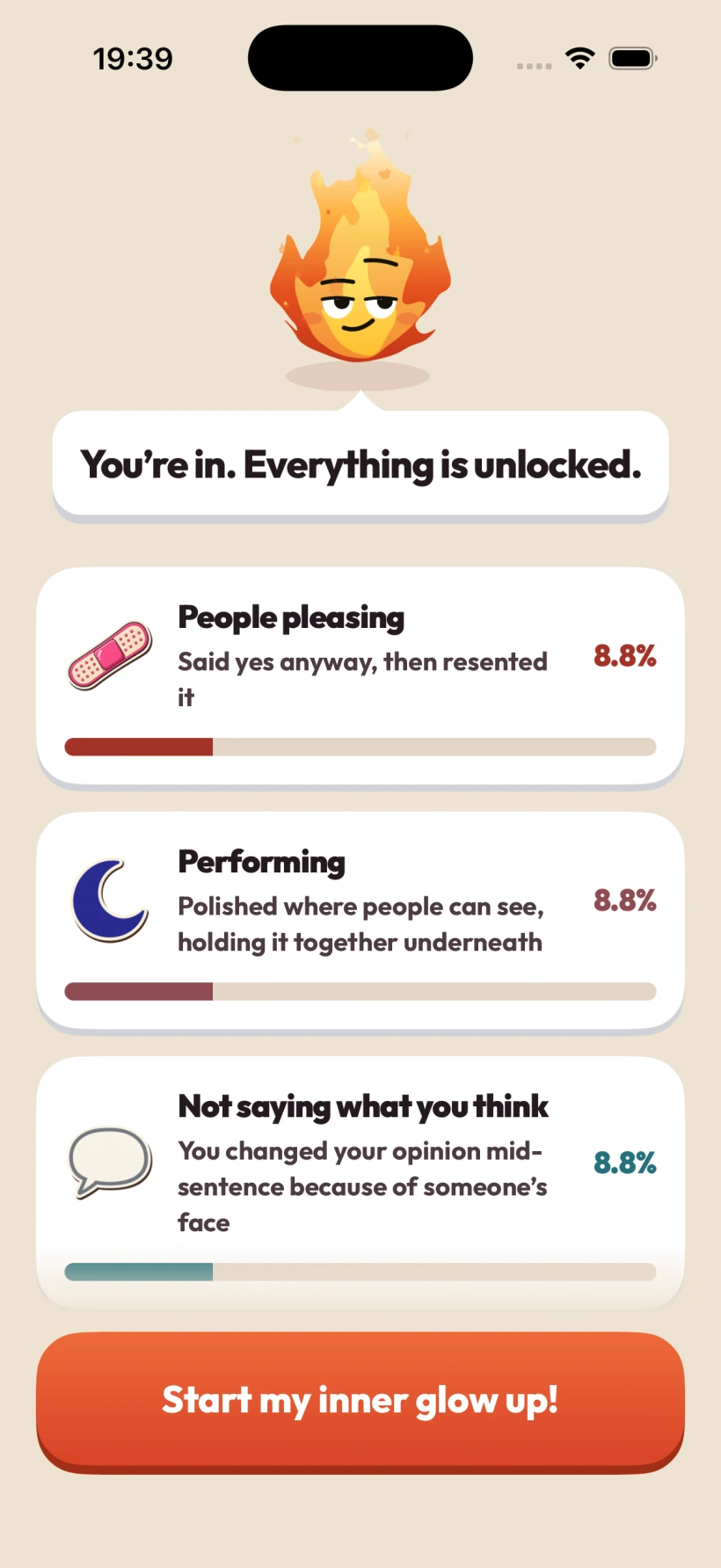
Keep reading
All of it →
People pleasing
What Is a People Pleaser? The Meaning, 9 Signs, and a 90-Second Test
A people pleaser puts other people’s wants ahead of her own and finds no hard to say. The meaning, 9 signs, and a 90-second test.
Nadia Ferreira · 7 min read
People pleasing
Why Am I a People Pleaser? Where It Starts, and How to Unlearn It
People pleasing usually starts as a way to stay safe or loved. The 5 places it comes from, why it keeps going, and how to unlearn it.
Meg Turner · 8 min read
People pleasing
How to Say No Without Feeling Guilty: 7 Short Ways to Say It
Someone asks for a favour and the yes is out before you decide. 7 short ways to say no, and a plan for the guilt that comes after.
Hannah Moore · 8 min read