Blog People Pleasing Why Am I a People Pleaser
Why Am I a People Pleaser?Where It Starts, and How to Unlearn It.
People pleasing usually starts as a way to stay safe or stay loved, often in childhood, and it keeps going because the relief comes first. It is a learned habit, so it can be unlearned. Here is where it comes from and what undoes it.
You learned it because it worked
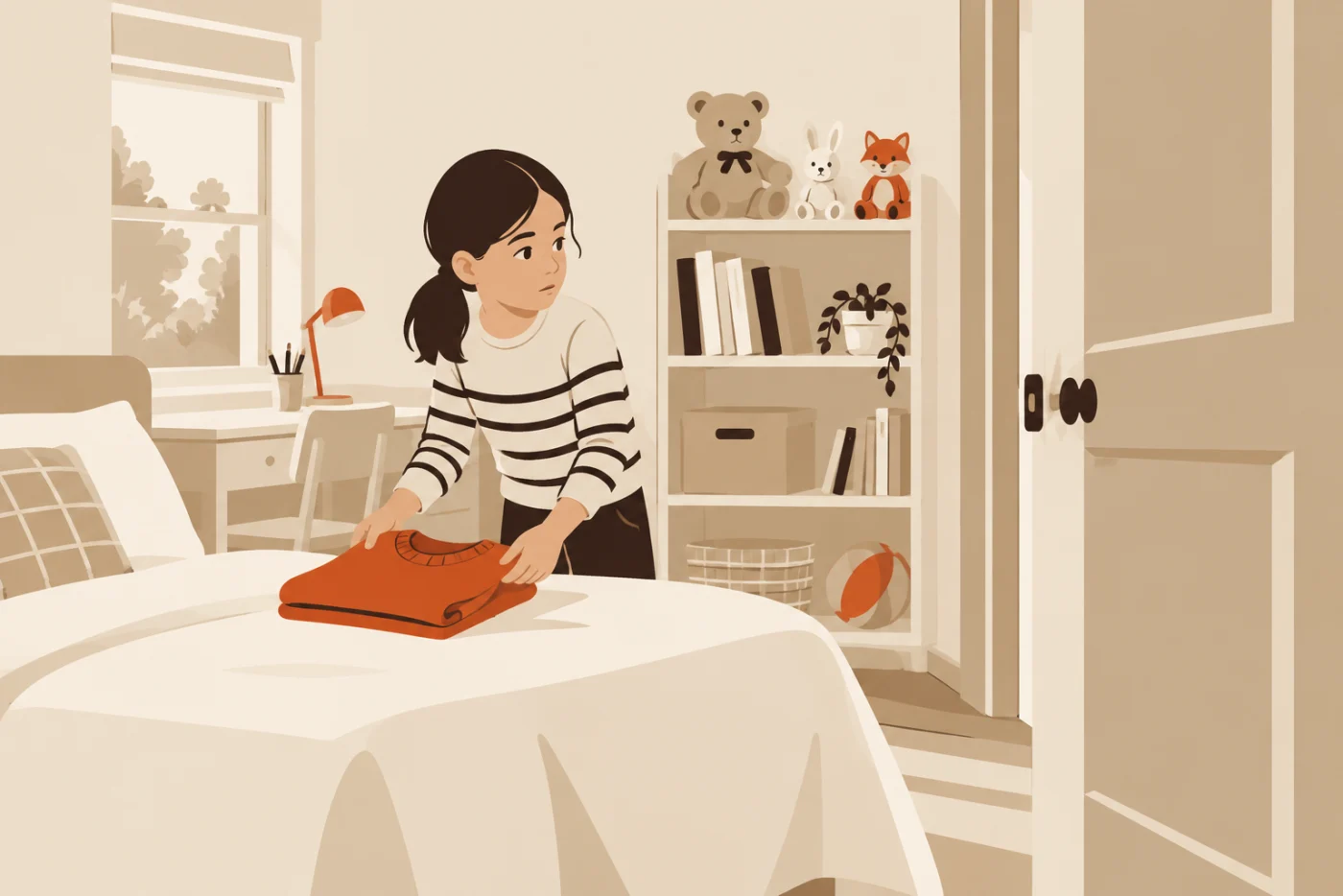
Most people pleasers can point to where it started: a parent whose mood decided the day, or a house where keeping quiet kept the peace.
One woman wrote that when her father was in a bad mood, she would tidy her room and hide quietly. Another said her existence felt like a bother, and 1,539 people upvoted that line.
Being easy, helpful and quiet kept you safe, or kept someone’s love. That was a smart response to what you had. The trouble is that you kept doing it after you no longer needed to.
“Sometimes it’s, uh, survival.”
It rarely arrives alone. 3 habits sit closest to it, and Glissa scores all 4 every week.
 People pleasingSaid yes before you heard the whole thing
 Not saying what you thinkChanged your opinion when their face changed
 Being everyone’s therapistBecame the one everyone calls when it goes wrong
 DownplayingSaid it was nothing when it was something
The fawn response is the stress reaction behind much of this, and it has its own page.
You probably learned it in one of 5 places
Most people recognise more than one. None of them is your fault.
- 1A parent whose mood set the dayYou learned to check how they felt before you spoke, and to cheer them up before it got worse.
- 2Love that felt conditionalPraise came when you helped or achieved. Being useful became the way to be wanted.
- 3Being the eldest, or the responsible oneYou looked after others early, and nobody looked after you.
- 4Conflict that felt dangerousRaised voices meant something bad was coming. Keeping everyone happy kept the house calm.
- 5Being told you were too muchSo you asked for less and agreed more. Needing less felt safer.
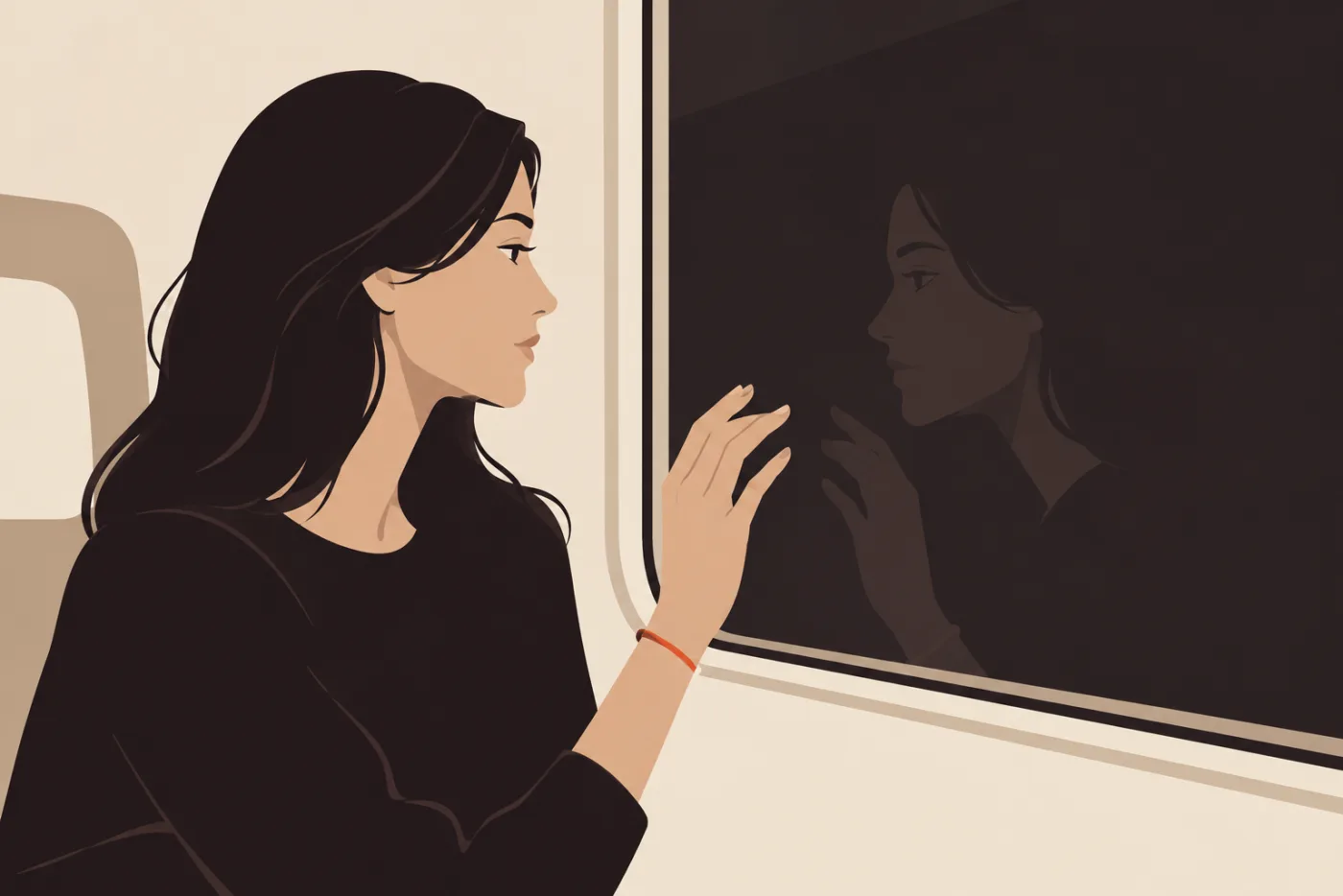
Knowing the origin explains the habit. Changing it takes practice in the present, one ask at a time.
The 90-second test names the habit you keep picking and hands you one dare for this week, sized to be doable.
Give me my first dareWhich of these was you this week?
You keep doing it because the relief comes first
A yes ends the tension immediately. The cost arrives later and gets blamed on being tired or busy. A habit that helps right away and costs you later is hard to break.
-
Caring for others to the point of self-neglect has a name
Psychologists call it unmitigated communion: caring for others to the exclusion of yourself. Their theory ties it to a low view of yourself, and to a sense of worth that depends on other people’s approval.
Helgeson and Fritz, 1998
-
Under stress, women more often tend and befriend
6 researchers found the classic fight-or-flight response had been drawn mostly from men. Under threat, women more often calm others and build ties. People pleasing can be that response, carried on into adult life.
Taylor and colleagues, 2000
Write the moment and the move together, before either one shows up: when a friend is annoyed with me, I wait an hour before I try to fix it.
The comments that turned down the word selfish
Under a therapist’s video calling people pleasing selfish, 28 of the first 47 comments rejected the word. The top one, with 4,757 hearts, said selfishness was the wrong word for it.
Read for the audience research behind this site, September 2026. The first 47 comments of one video, counted that day.
Neither study was run on women saying yes to a favour, so take them as a guide.
You can read about it, go to therapy, or let Glissa change the answer
Understanding where it came from helps, and it is where most people stop. Knowing the origin changes how you feel about the habit. It rarely changes what you say when someone asks.
Therapy works on the origin with a trained person, and that matters. It costs a session a week, and the ask still arrives between sessions.
| Compared on | glissa | Reading about it | Therapy |
|---|---|---|---|
| Cost | $4.99 a monthbilled as $59.99 a year | Free | A session a week |
| Relief arrives | The first no that holds | The article that names it | Weeks in |
| Who carries it | You, for 30 seconds | You, with no next step | A trained person |
| Day 30 vs day 1 | The same questions, counted | Nothing to compare | Your therapist remembers |
| Strongest at | Changing the answer | Naming it | Where it started |
The orange column is ours. Day 30 retention on mental health apps: Baumel and colleagues, JMIR, 2019
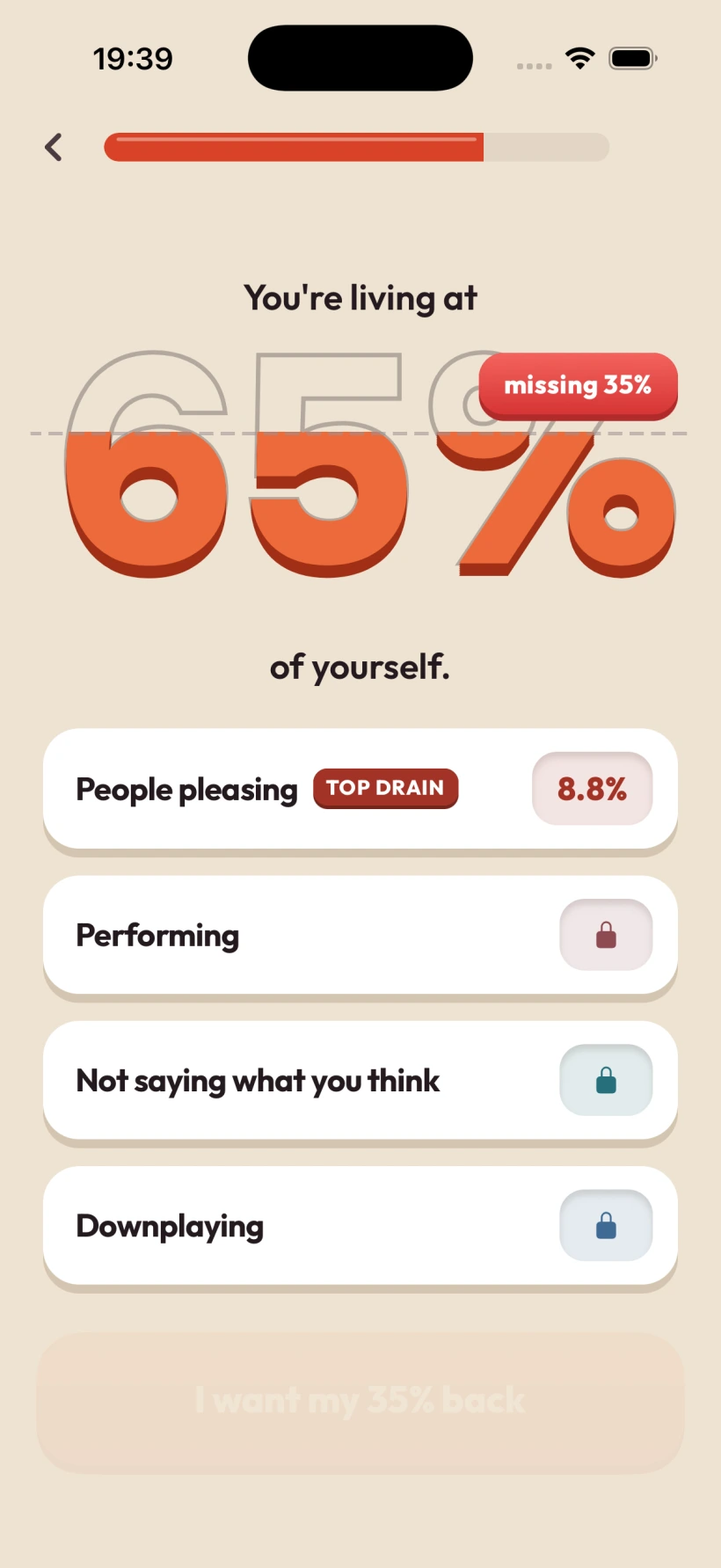
Glissa is the iPhone app for people pleasers. A short test gives you one number for how much of you is showing. 11 habits sit under it, people pleasing among them, and all 11 are re-scored every week, so day 30 sits beside day 1 without you remembering a thing.
Every week it hands you one dare from your own answers, sized to be doable. Most people leave a mental health app inside a month, so Glissa asks for 30 seconds a day and nothing more.
Get back the parts of you that you filed down to keep everyone else comfortable. It starts this week, with one small dare.
Show me the one I keep pickingYou were surviving, and selfish is the wrong word for it
Some advice calls people pleasing selfish or manipulative, on the theory that you please people to control how they see you. Women who read that pushed back hard. One comment put it simply: I would not say selfish, I would say wounded.
You can take responsibility for changing the habit without calling yourself names for having it.
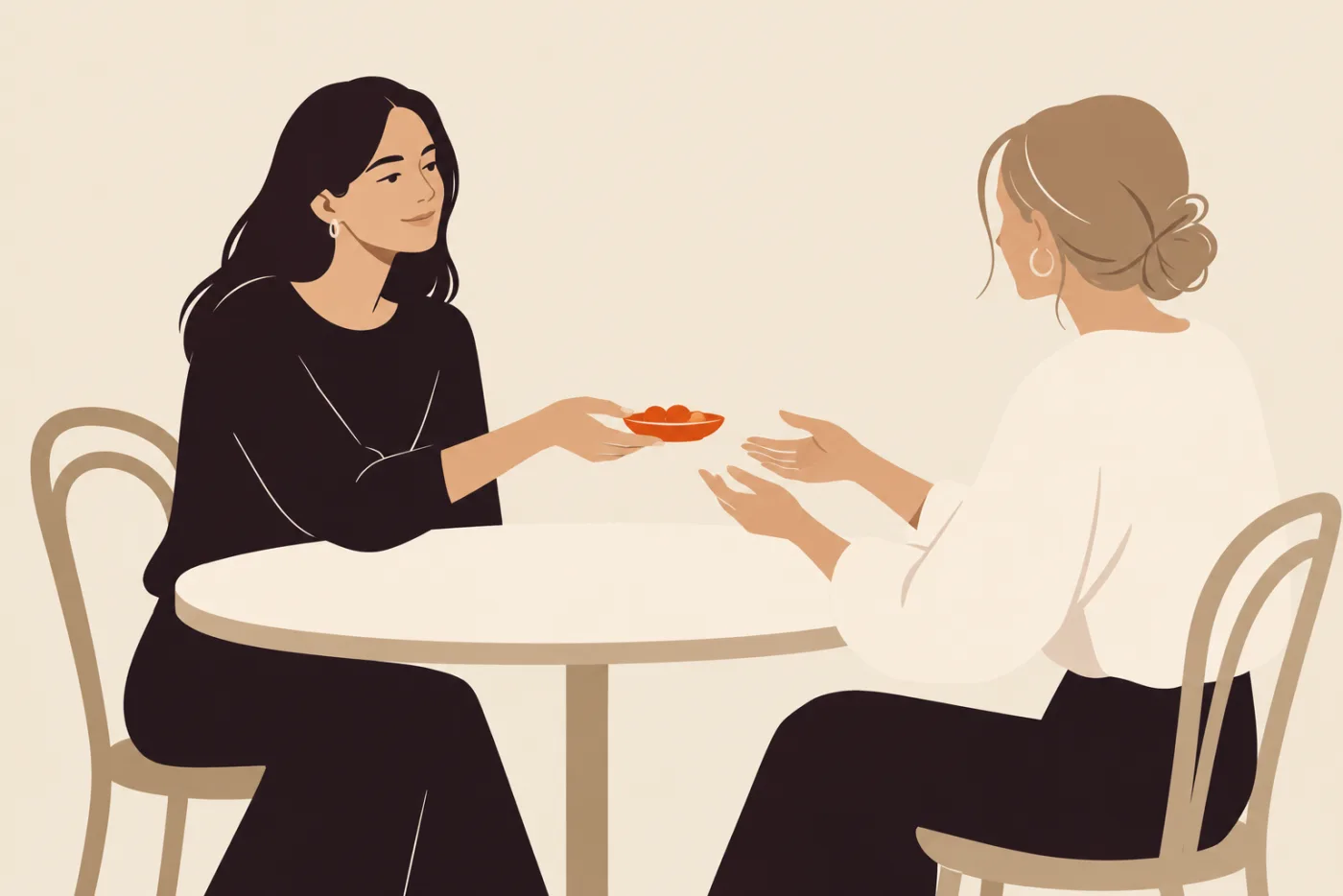
Questions
Is people pleasing a trauma response?
Often, yes. It commonly starts as a way to stay safe in a stressful home, which is why it is linked with the fawn response. It can also come from simpler places, like praise that only came when you helped.
Can I stop being a people pleaser?
Yes. It is a learned habit, and learned habits change with practice. Expect about 2 months of small nos before a new answer feels normal. The first 30 days has the usual shape.
Why do I feel anxious when someone is upset with me?
For a long time, an upset person meant something bad was coming, and your body still reacts that way. The fear fades each time a no goes fine.
Do I need to understand the cause before I can change?
Understanding helps, and change comes from practice. You can start with small nos this week, whatever the cause was.
You unlearn it one small no at a time
The habit took years to build, and it does not need years to change. It needs repetition: small nos, counted, until the new answer comes out first. How to say no without feeling guilty has 7 short ways to start.
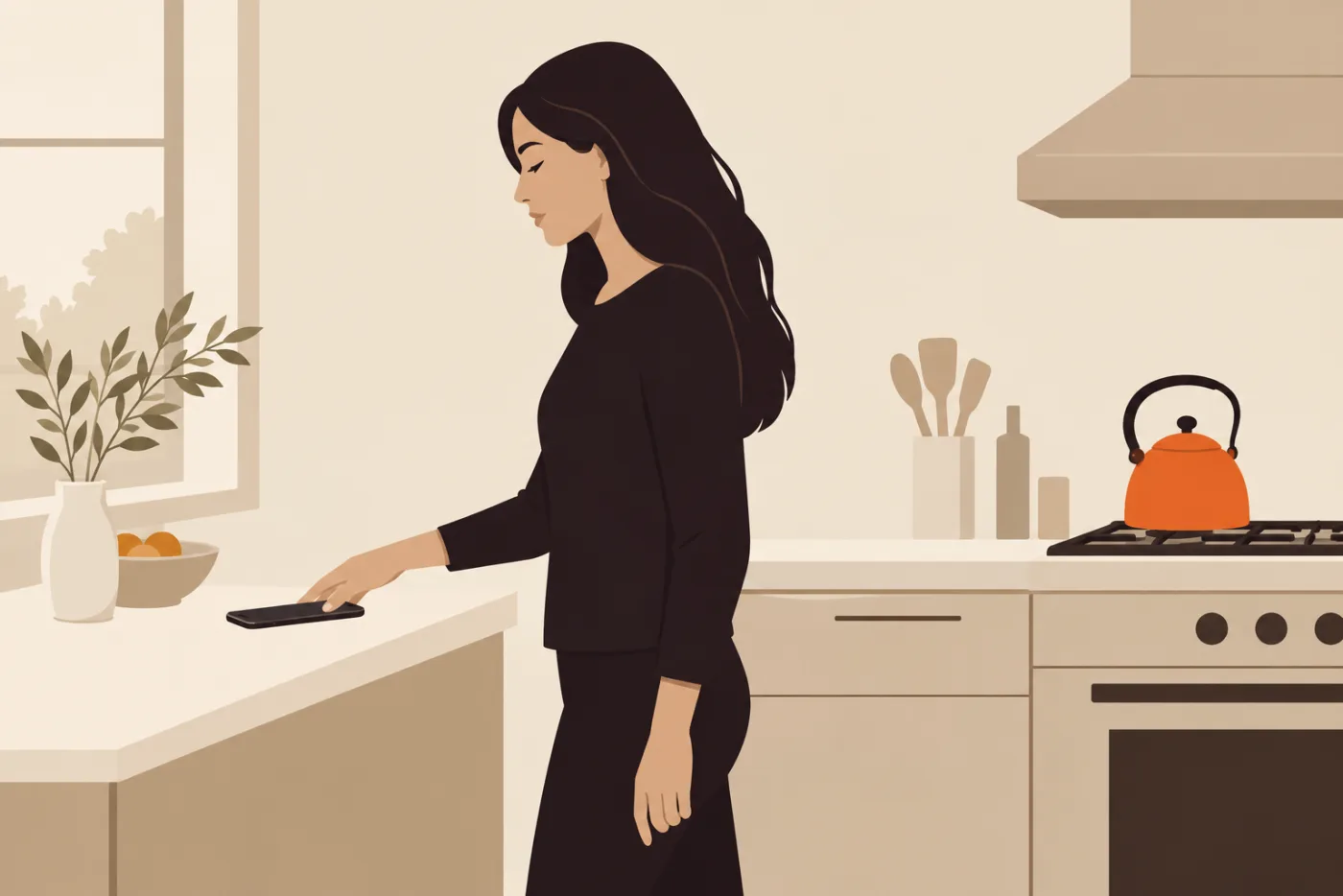
Glissa gives you the count and one small dare a week. 30 seconds a day on an iPhone.
The glow up that starts on the inside
Get back the parts of you that you filed down to keep everyone else comfortable. 30 seconds a day, all the way back to 100% and past it.
Download Glissa for iPhone $4.99 a month, billed as $59.99 a year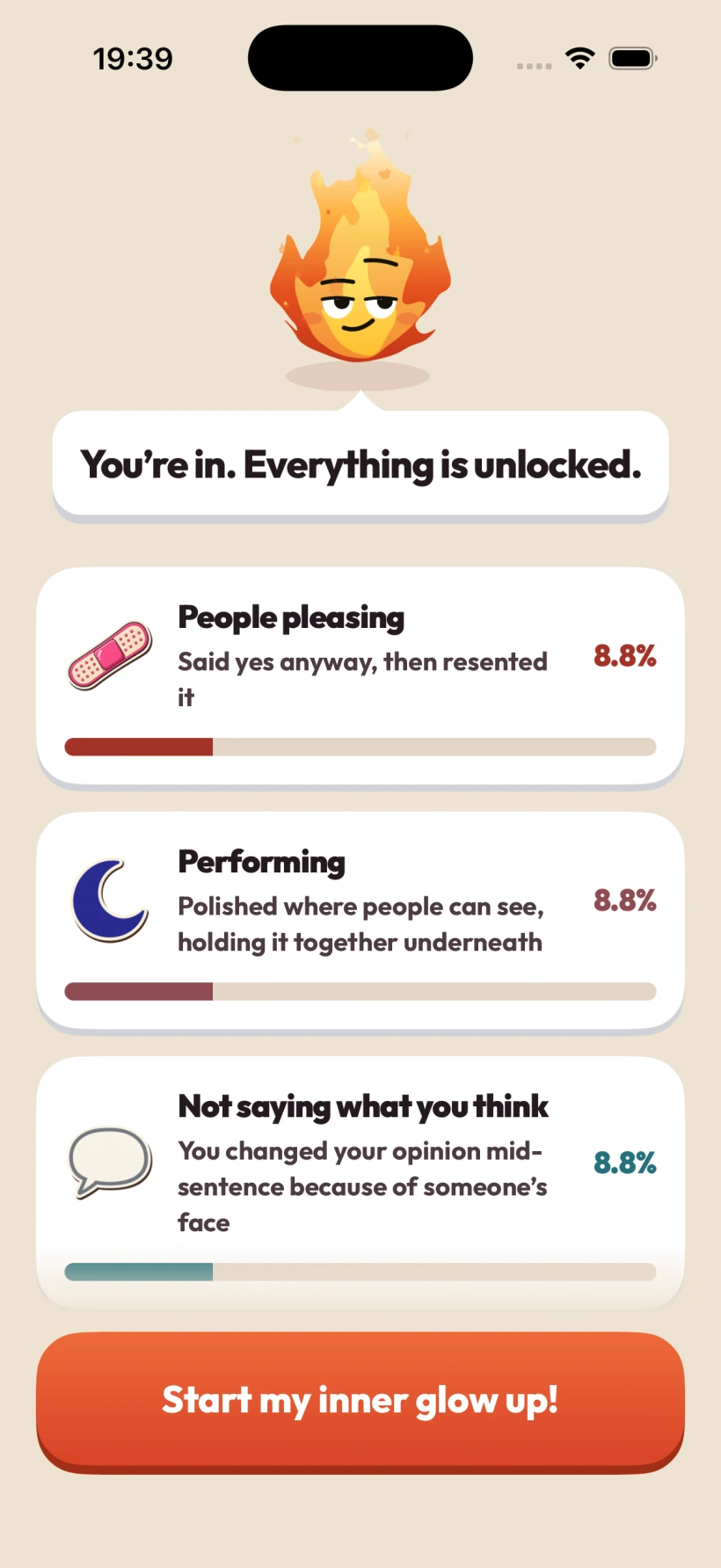
Keep reading
All of it →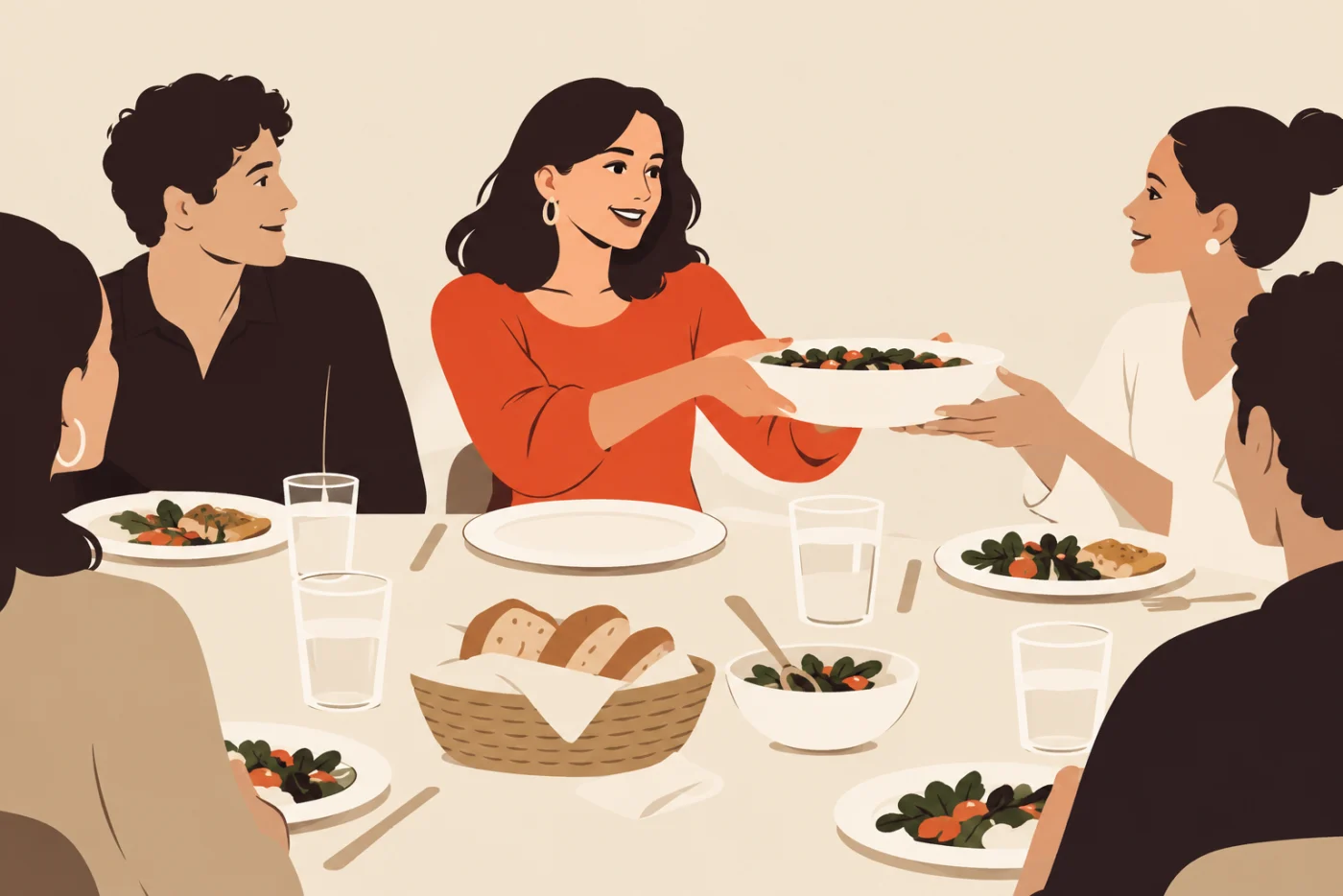
People pleasing
What Is a People Pleaser? The Meaning, 9 Signs, and a 90-Second Test
A people pleaser puts other people’s wants ahead of her own and finds no hard to say. The meaning, 9 signs, and a 90-second test.
Nadia Ferreira · 7 min read
People pleasing
Recovering People Pleaser: What Changes in the First 30 Days
You know you do it and you still say yes on reflex. What the first 30 days of recovering from people pleasing look like, week by week.
Kayleigh Brennan · 7 min read
People pleasing
How to Say No Without Feeling Guilty: 7 Short Ways to Say It
Someone asks for a favour and the yes is out before you decide. 7 short ways to say no, and a plan for the guilt that comes after.
Hannah Moore · 8 min read